Pakistan Seeks Tariff Relief and New Trade Deal in US Talks
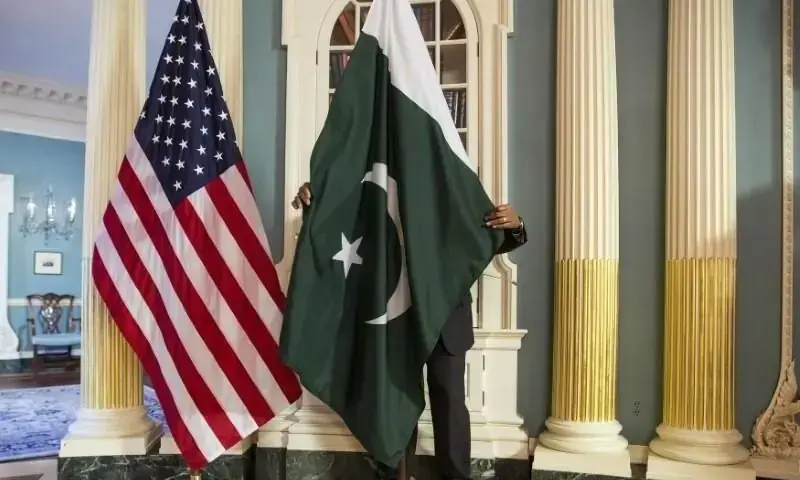
Pakistan and the United States commenced two days of trade negotiations in Washington on Thursday, July 9th, 2026, with a primary focus on reducing US import tariffs on Pakistani goods. These talks follow earlier discussions where a Pakistani delegation successfully persuaded US officials to lower a proposed tariff from 29% to 19% after President Donald Trump announced new duties on April 2nd, 2025, under the International Emergency Economic Powers Act (IEEPA). The current negotiations are also addressing the implications of a US Supreme Court ruling that invalidated IEEPA-based tariffs, leading to a temporary 10% global tariff under Section 122 of the Trade Act, set to expire on July 24th. Additionally, Pakistan is responding to USTR investigations under Section 301 concerning alleged forced labour, facing a proposed additional 10% tariff, while India and 53 other nations face a 12.5% tariff. The Pakistani delegation, led by Commerce Secretary Jawad Paul and including Foreign Office spokesperson Tahir Andrabi, aims to finalize a broader bilateral trade agreement to expand commerce and investment. The US is Pakistan's largest export market, and Pakistan is a significant importer of US cotton. President Trump has indicated a willingness to negotiate a "better deal" and suggested exploring energy opportunities in Pakistan.
The trade negotiations between Pakistan and the United States highlight the complex interplay of geopolitical considerations, domestic economic policies, and international trade regulations. The US administration's use of trade instruments like Section 301 investigations and tariffs, even after judicial challenges to prior measures, suggests a strategic approach to leverage trade relations for broader policy objectives. Pakistan's efforts to secure tariff relief and a new trade agreement underscore its reliance on the US market and its vulnerability to shifting trade policies. The potential for energy cooperation, as signaled by President Trump, introduces another dimension, potentially linking trade concessions to resource access. Future trade dynamics will likely be shaped by evolving global supply chains, the increasing scrutiny of labor practices, and the broader strategic interests of both nations.
AI-generated to prompt reflection — not editorial opinion, not advice, not a statement of fact. How this works.