Pakistan Senate Panel Bars Islamic Banks from Forcing Abayas on Female Staff
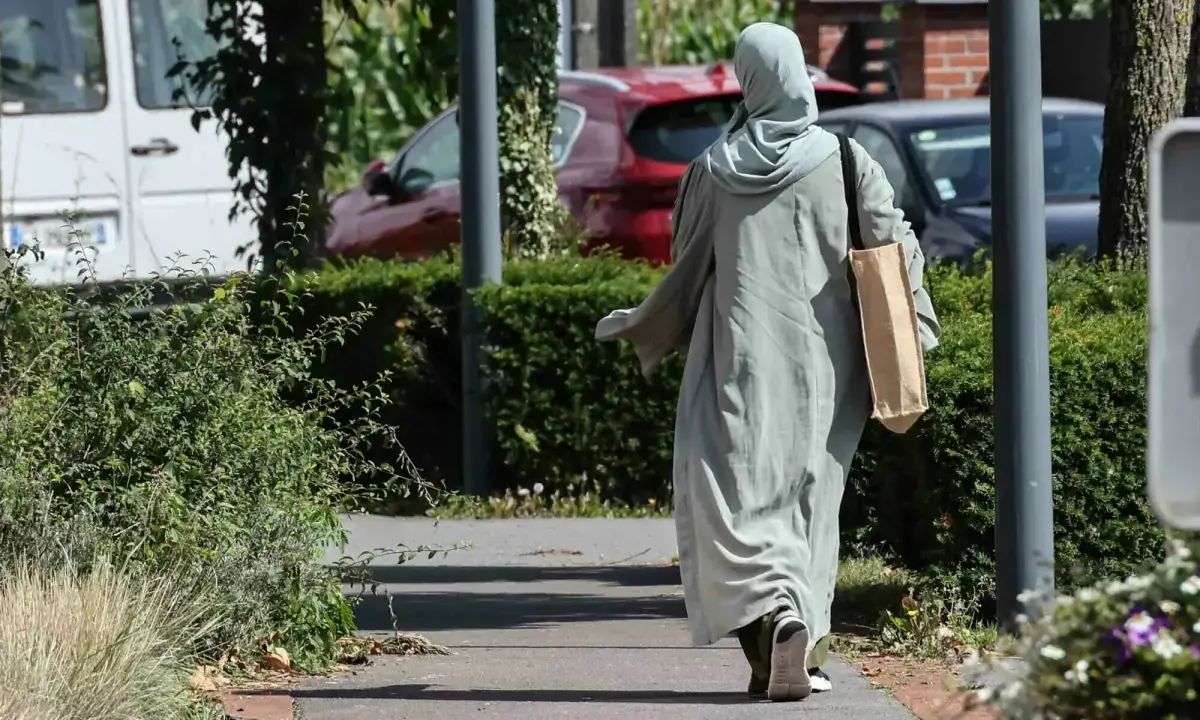
The Senate Standing Committee on Finance and Revenue in Pakistan has prohibited Islamic banks from mandating the wearing of abayas by their female employees. The committee, led by Senator Saleem H. Mandviwalla, also called for adherence to a modest national dress code for all genders. This decision followed complaints that some banks, particularly those with Islamic operations, were compelling female staff to wear abayas while male employees had dress freedom. Senator Sherry Rehman advocated that no employee should be forced into specific attire, suggesting that a shalwar kameez, like that worn by former Prime Minister Benazir Bhutto, is appropriate. The State Bank of Pakistan (SBP) Governor, Jameel Ahmed, confirmed that similar guidelines were issued last year and communicated to all banks. The committee clarified its directive was for a modest dress code, not specific garments, and instructed banks to submit their policies while directing the SBP to issue updated guidelines preventing undue compulsion. Separately, the committee addressed the non-implementation of honorarium payments to Senate staff, a matter deemed sub judice, with Mandviwalla emphasizing parliamentary law over judicial interference. The committee also reviewed issues concerning Politically Exposed Persons (PEPs) facing difficulties with commercial banks and the lack of standardized operating procedures for their accounts, with the SBP governor acknowledging lapses and promising improved oversight. Finally, the committee discussed investment protection policies, with Senator Manzoor Ahmed proposing broader incentives, and concerns were raised about taxes collected via electricity bills, amounting to approximately Rs476 billion.
This parliamentary committee's directive addresses workplace dress codes, specifically in the context of Islamic banking and national cultural norms. The ruling de-emphasizes rigid garment mandates in favor of broader principles of modesty, reflecting a potential shift in how cultural and religious expectations are applied in professional settings. The committee's focus on preventing 'unnecessary compulsion' suggests an awareness of individual rights within institutional frameworks. The parallel discussions on staff honorariums and customer service for PEPs highlight the committee's broad oversight role, touching upon employee compensation disputes and banking sector governance. The differing perspectives on extending investment incentives and the fiscal constraints mentioned by the finance ministry illustrate the ongoing tension between economic development goals and public finances. The significant tax collection through electricity bills underscores the fiscal importance of consumption taxes and their direct impact on the populace.
AI-generated to prompt reflection — not editorial opinion, not advice, not a statement of fact. How this works.