Pakistan Senate Panel Proposes Free, Unlimited e-SIM Transfers and 5G Rollout
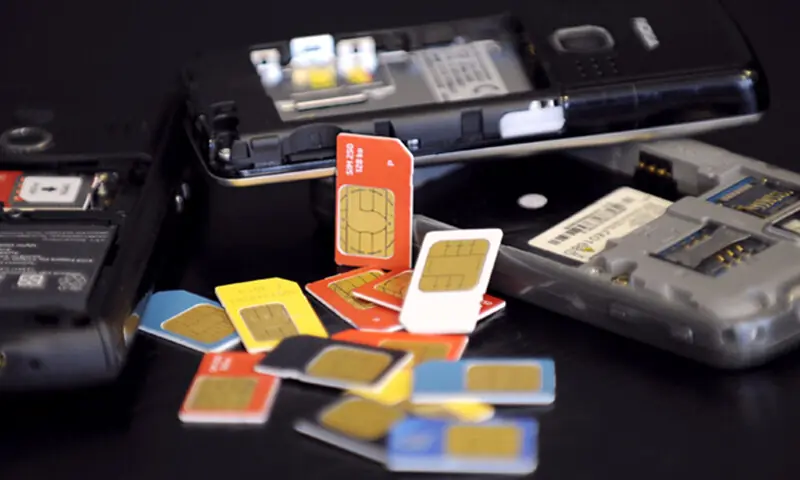
Pakistan's Senate Standing Committee on Cabinet Secretariat is working on a uniform policy to allow consumers at least 10 free e-SIM transfers between devices. This initiative aims to address varying transfer policies among telecom operators and concerns about limited transfers. The committee, chaired by Rana Mahmoodul Hassan, also discussed the progress of 5G services, with the Pakistan Telecommunication Authority (PTA) expecting visible 5G coverage in major areas by the end of 2026. Currently, 499 sites supporting 5G have been deployed, and the migration to 5G is anticipated to improve existing 4G services. Pakistan has 15.6 million 5G-compatible devices, a number projected to increase. The PTA chairman was directed to facilitate greater affordability of these devices for consumers.
Further discussions included improving mobile coverage on highways and in underserved regions, with the PTA collaborating with the Universal Service Fund to expand networks and eliminate dead zones. Live and open-source monitoring of towers have been introduced, and national roaming is active on the Makran Coastal Highway, with similar arrangements for motorways under consideration. The PTA also suggested using Low-Earth-Orbit satellite technology for remote areas. Regarding SIM card issuance, the committee pushed for alternative verification methods beyond biometrics, such as retina scanning and facial recognition via mobile apps, to supplement existing exemptions for specific categories.
Separately, the Oil and Gas Regulatory Authority (Ogra) clarified that consumers are responsible for metered gas leakages. The committee urged Ogra to promote smart metering systems to reduce leakages and address administrative issues within SNGPL. Ogra was also commended for relaxing document requirements for oil marketing companies and was directed to ensure timely payments to support their financial stability.
The Pakistani Senate committee's focus on standardizing e-SIM transfers and expanding 5G infrastructure reflects a strategic effort to modernize digital services and enhance consumer experience. By mandating a uniform, cost-free transfer policy, the committee aims to mitigate potential market consolidation's negative impact on consumers and foster a more competitive telecom landscape. The proactive approach to 5G deployment, coupled with the exploration of satellite technology for remote connectivity, positions Pakistan to leverage future technological advancements. However, the success of these initiatives will hinge on effective regulatory oversight, ensuring that infrastructure expansion respects property rights and that affordability measures for 5G devices are genuinely impactful. The committee's push for alternative SIM verification methods also highlights a forward-thinking approach to digital identity management in an increasingly connected society.
AI-generated to prompt reflection — not editorial opinion, not advice, not a statement of fact. How this works.