Pakistan Senate's Legislative Output Rose, but Scrutiny and Attendance Declined in 2025-26
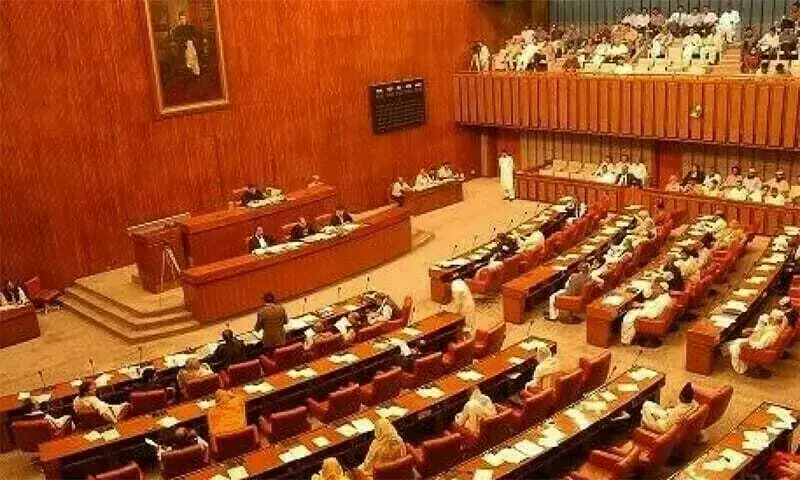
The Pakistan Institute of Legislative Development and Transparency (Pildat) has reported an increase in legislative output by the Senate during the 2025-2026 period, with 97 bills passed compared to 51 in the previous year. This surge included 47 government bills and 50 private members' bills, indicating a strong recovery in private legislation and an upward trend in government bills. The number of ordinances laid before the Senate significantly decreased to six from sixteen.
Despite the rise in legislative activity, Pildat's analysis highlighted persistent institutional weaknesses. Average senator attendance dropped to 57.6% from 62%, though disruptions due to lack of quorum decreased. The office of the Leader of the Opposition remained vacant for over five months. A notable concern was the accelerated passage of the 27th Constitution Amendment within 24 hours, raising questions about parliamentary scrutiny and the depth of deliberation on significant constitutional changes affecting judicial structure and military command.
Furthermore, 11 Senate seats from Khyber Pakhtunkhwa were vacant for nearly two years due to electoral delays, impacting federal representation. The resignation of opposition members from Senate Standing Committees in September 2025 also signaled weakened parliamentary oversight. The Senate's budget saw a 25% increase, with per-member allocation rising. Pildat emphasized the critical need to strengthen parliamentary oversight and procedural rigor for improved performance.
The Pildat report details a complex dynamic within Pakistan's Senate: increased legislative volume alongside diminished oversight and representation. The accelerated passage of constitutional amendments, particularly the 27th, suggests a potential trade-off where speed in legislation may come at the expense of thorough debate and scrutiny, a critical function of an upper legislative house. The prolonged vacancy of seats from Khyber Pakhtunkhwa and reduced attendance point to systemic challenges in ensuring equitable representation and consistent engagement. In the context of evolving governance in the AI era, where information velocity is paramount, maintaining robust deliberative processes and ensuring all voices are adequately represented becomes even more crucial for legislative legitimacy and public trust. The increased budget allocation warrants scrutiny to ensure it translates into enhanced capacity for oversight rather than merely supporting increased activity.
AI-generated to prompt reflection — not editorial opinion, not advice, not a statement of fact. How this works.