Pakistan Slashes Fuel Prices Slightly, But LNG Costs Skyrocket
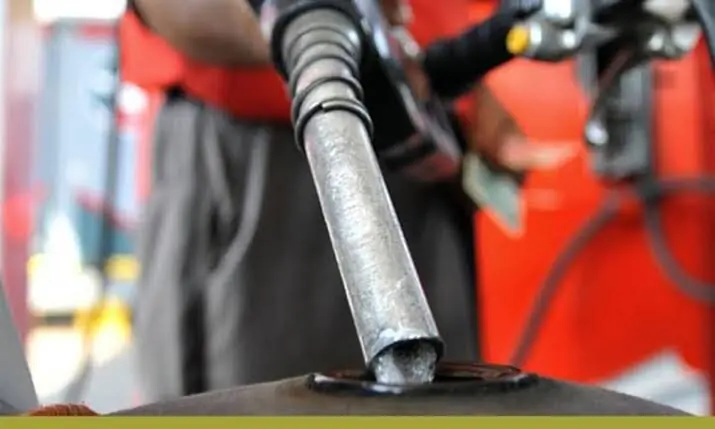
The Pakistani government announced a minor reduction in petrol and high-speed diesel (HSD) prices, effective from August 1 to August 3. Petrol will now cost Rs336.03 per litre, a decrease of Rs0.12, while HSD will be priced at Rs392.38 per litre, down by Rs0.66. These prices include significant taxes, with Rs110 per litre on petrol and Rs96 per litre on diesel. In stark contrast, the Oil and Gas Regulatory Authority (Ogra) has implemented a record 32% increase in the price of regasified liquefied natural gas (RLNG) for August. This brings the price to $25.83 per mmBtu for SNGPL and $25.09 per mmBtu for SSGCL, translating to a retail price of Rs7,204 per mmBtu. This substantial hike is attributed to the reliance on spot market cargoes, with no shipments secured from Qatar due to the US-Iran conflict. This marks the largest single jump in RLNG rates in a decade and follows a previous 15% increase last month. The surge in RLNG prices significantly escalates fuel costs for power generation, as evidenced by a jump in fuel cost per unit for RLNG-based power generation from Rs13.72 in April to Rs31 in May. The government had previously announced daily fuel price adjustments due to international market volatility, a move rejected by the All Pakistan Dealers Association, which plans to consider protests. Petrol and diesel prices have seen fluctuations, with diesel peaking at Rs520.35 in April and petrol at Rs458.41, both having started their upward trend earlier in the year. Petrol and HSD are crucial for transportation and represent significant revenue sources for the government.
The Pakistani government's decision to marginally decrease petrol and diesel prices while RLNG costs surge highlights the complex interplay of global energy markets and domestic policy. The significant increase in RLNG prices, driven by geopolitical tensions impacting supply chains, poses a substantial challenge for energy-intensive industries and consumers, particularly in power generation. This situation underscores the vulnerability of economies reliant on imported energy and the systemic risks associated with supply disruptions. The government's shift towards daily fuel price adjustments, though intended to manage volatility, introduces new uncertainties for businesses and could exacerbate inflationary pressures, potentially impacting lower and middle-income households disproportionately. The differing impacts of these price changes on various fuel types and consumer segments reveal underlying economic fragilities and the need for diversified energy strategies and robust price stabilization mechanisms to mitigate future shocks.
AI-generated to prompt reflection — not editorial opinion, not advice, not a statement of fact. How this works.