Pakistan Slashes Petrol, Diesel Prices by Rs1.97 Per Litre
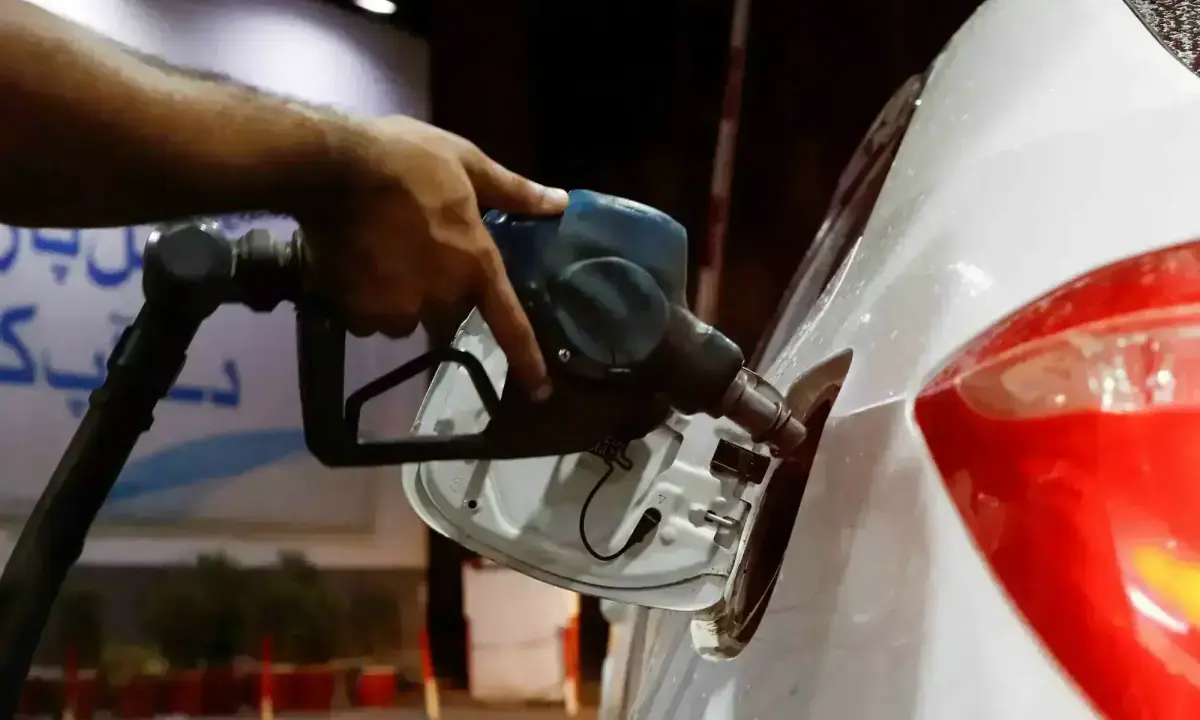
The Pakistani government announced a reduction of Rs1.97 per litre for both petrol and high-speed diesel (HSD), effective immediately and valid until July 10. This price adjustment aims to reflect the decrease in global oil prices observed over the past week. Consequently, the ex-depot price for HSD is now set at Rs309.50 per litre, down from Rs311.47. HSD had previously reached a peak of Rs520.35 on April 3, having risen from Rs281 after the US-Iran conflict began on February 28. Petrol's ex-depot price will now be Rs297.53 per litre, a decrease from Rs299.50. Petrol had previously peaked at Rs458.41 on April 3, after starting its ascent from Rs266 in early March. Overall, petrol prices have seen a cumulative reduction of approximately Rs109 per litre. The government opted to slightly increase the petroleum levy on both fuels, which mitigated a larger potential price drop of around Rs11 for petrol and Rs4 for diesel. In line with International Monetary Fund (IMF) conditions, the climate support levy was doubled to Rs5 per litre from July 1, while the petroleum levy was adjusted accordingly. The current petroleum levy on diesel stands at approximately Rs80 per litre, and on petrol, it is about Rs70 per litre, in addition to the Rs5 climate support levy. Further taxes include a Rs16 per litre customs duty on HSD and Rs20 per litre on petrol, alongside other charges like the inland freight equalisation margin. The government collects roughly Rs101 per litre in total taxes on HSD and Rs95 per litre on petrol. Levies on other fuels include about Rs21 per litre on kerosene and Rs16 per litre on light diesel oil. Petrol and HSD are significant revenue generators for the government, with monthly sales ranging from 700,000 to 800,000 tonnes, substantially higher than the 10,000 tonnes monthly demand for kerosene.
This price adjustment reflects the government's effort to balance global market fluctuations with domestic fiscal requirements, particularly under IMF program conditions. The decision to slightly increase petroleum levies while reducing base prices suggests a strategy to maintain a stable revenue stream from fuel sales, which are substantial revenue generators. The doubling of the climate support levy indicates a policy shift towards environmental taxation, potentially aligning with broader sustainability goals or revenue diversification strategies. The differential tax treatment across various fuel types highlights the government's approach to managing consumption and revenue, prioritizing major commodities like petrol and HSD while imposing varying burdens on others. Future policy decisions will likely continue to navigate the interplay between global energy prices, domestic economic stability, and the need for fiscal consolidation.
AI-generated to prompt reflection — not editorial opinion, not advice, not a statement of fact. How this works.