Pakistan Supreme Court Affirms Women's Absolute Inheritance Rights Under Sharia
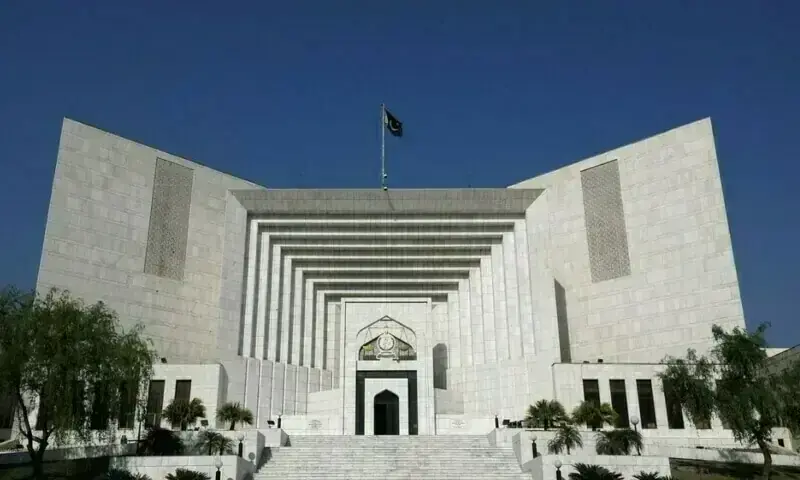
The Supreme Court of Pakistan has definitively ruled that inheritance rights for women, as mandated by Sharia law, are absolute and vested immediately upon the death of the family head. This landmark decision, delivered on Wednesday, resolves a 71-year-old family dispute and establishes that such rights cannot be circumvented through private agreements, social coercion, fraudulent record entries, or procedural tactics. Justice Shahid Bilal Hassan emphasized that inheritance is not a discretionary grant from male relatives but a legal entitlement that cannot be denied based on custom or convenience. The ruling specifically set aside a 2017 Bahawalpur bench judgment of the Lahore High Court concerning a dispute that originated in 1955 after the death of Roshan. His heirs initially had their inheritance recorded, but a subsequent "verbal gift" mutation allegedly transferred the property to his sons, excluding the widow and daughters. The Supreme Court declared this mutation illegal and void, confirming the female heirs' entitlement to their rightful shares of Roshan's estate. The court mandated that revenue authorities correct records and finalize the division of property according to law. Justice Hassan stressed the need for courts and revenue officials to vigilantly protect women's inheritance rights, subjecting any transactions purporting to exclude female heirs to rigorous scrutiny. He noted that the burden of proof for the lawfulness of such transactions shifts to the beneficiaries when challenged. The judgment highlighted that Islamic jurisprudence views inheritance as a divine scheme for wealth distribution and economic justice, yet women are frequently deprived of their due shares through fabricated gifts, manipulated records, coercion, and protracted litigation. The court recognized this as both a legal and societal issue, often rooted in traditions that pressure women to relinquish rights guaranteed by religion and law. Ultimately, the Supreme Court asserted that safeguarding these rights is a collective responsibility involving families, community leaders, religious scholars, legal professionals, revenue officials, and civil society, stating that a society tolerating such deprivation contradicts its own values of justice and Islamic principles.
This Supreme Court ruling addresses a persistent societal challenge in Pakistan where traditional customs and familial pressures often override legal and religious mandates regarding women's inheritance. By firmly reasserting Sharia-based inheritance rights and establishing a high bar for challenging transactions, the court aims to dismantle systemic barriers to economic equity for women. The analysis highlights a tension between constitutional guarantees of equality and the practical enforcement of inheritance laws, often undermined by social norms and administrative loopholes. Future efforts will likely focus on improving the efficacy of revenue record management and judicial oversight to prevent fraudulent deprivation of rights. The ruling serves as a critical reminder of the state's role in upholding fundamental rights, while also emphasizing the broader societal responsibility required to foster genuine gender equality and economic justice within the framework of Islamic principles.
AI-generated to prompt reflection — not editorial opinion, not advice, not a statement of fact. How this works.