Pakistan Terror Attack: 15 Killed, Including 12 Soldiers, in Suicide Vehicle Bombing
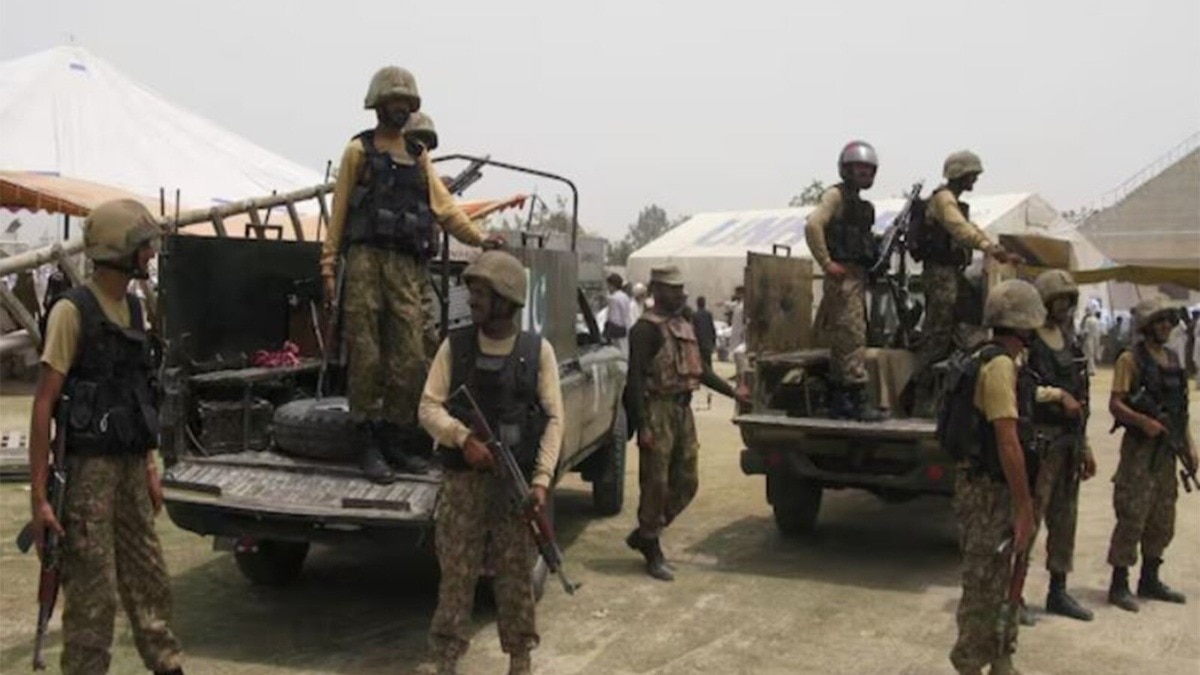
A devastating attack occurred in northwestern Pakistan when terrorists detonated an explosives-laden vehicle, crashing it into a security checkpoint. The blast resulted in the deaths of 15 people, including 12 soldiers serving at the checkpoint. Following the initial attack, the Pakistani army engaged in a retaliatory operation. According to the army's statement, this counteraction led to the deaths of 12 terrorists. The incident highlights ongoing security challenges in the region and the persistent threat posed by militant groups.
This incident underscores the persistent threat of asymmetric warfare in regions grappling with instability. The tactic of using a vehicle-borne improvised explosive device (VBIED) against a security checkpoint is a known methodology employed by non-state actors seeking to inflict maximum casualties and disrupt state control. The Pakistani army's response, resulting in the neutralization of 12 militants, demonstrates a capacity for immediate retaliation. However, such events raise questions about the efficacy of current security architectures in preventing sophisticated attacks and the underlying socio-economic and political factors that may fuel such extremism. Future strategies will likely need to address not only kinetic responses but also intelligence gathering, community engagement, and long-term stabilization efforts to mitigate such threats.
AI-generated to prompt reflection — not editorial opinion, not advice, not a statement of fact. How this works.