Pakistan Transporters Threaten Nationwide Strike Over Taxes and Diesel Prices
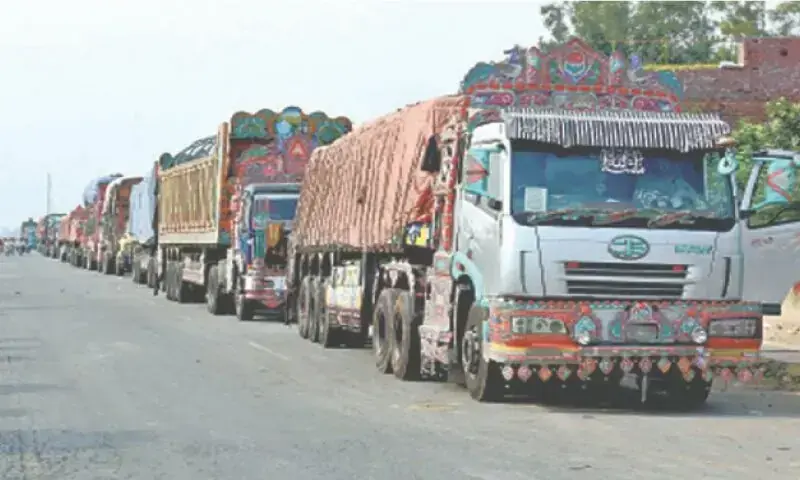
The All Pakistan Goods Transporters Alliance has announced a nationwide "wheel-jam" strike commencing on August 8, 2024, unless their demands are met by the government. Leaders of the alliance, including Muhammad Owais Chaudhry Advocate and Malik Nisar, stated at a press conference that the transport sector is facing a severe financial crisis due to escalating diesel prices, increased taxes, and other government policies. Key demands include reducing taxes on diesel and restoring fuel prices to their July 1, 2024, levels. They also seek a reduction in the withholding tax on cargo transporters from 7% to 2%, citing that oil tanker operators already pay 2%. The alliance has rejected a provision in the Finance Act 2026 that allows for the confiscation of vehicles found with non-duty-paid goods, advocating for the return of the previous fine-based system. Furthermore, they are calling for uniform axle-load regulation enforcement at loading points instead of roadside checks, which they claim have become a revenue-generating mechanism. Other demands encompass simplified procedures for heavy transport vehicle licenses, reduced toll taxes, and a shift from daily to fortnightly or monthly adjustments of diesel prices for greater predictability. Alliance president Muhammad Owais Chaudhry highlighted the extreme financial hardship faced by drivers and small transporters, making operations unsustainable. The group warned that if negotiations do not yield results, all freight movement, including cargo trucks, containers, and oil tankers, will halt, potentially disrupting essential commodity supplies, imports, and exports.
The All Pakistan Goods Transporters Alliance's planned strike highlights a critical tension between government revenue generation and the operational viability of the logistics sector. Repeated increases in fuel prices and taxes, coupled with regulatory measures like the Finance Act 2026 provision, appear to be creating unsustainable cost pressures for transporters. This situation reflects a broader challenge for governments in balancing fiscal needs with the economic health of essential industries. The transporters' demand for price stability and reduced tax burdens suggests a need for more predictable policy frameworks that consider the impact on supply chains. The proposed strike, if executed, could have significant ripple effects on the economy, underscoring the importance of finding a sustainable compromise that addresses both fiscal objectives and the practical realities faced by the transport sector in the coming years.
AI-generated to prompt reflection — not editorial opinion, not advice, not a statement of fact. How this works.
