Pakistan Urges Global Action on Kashmir Dispute, Citing UN Resolutions
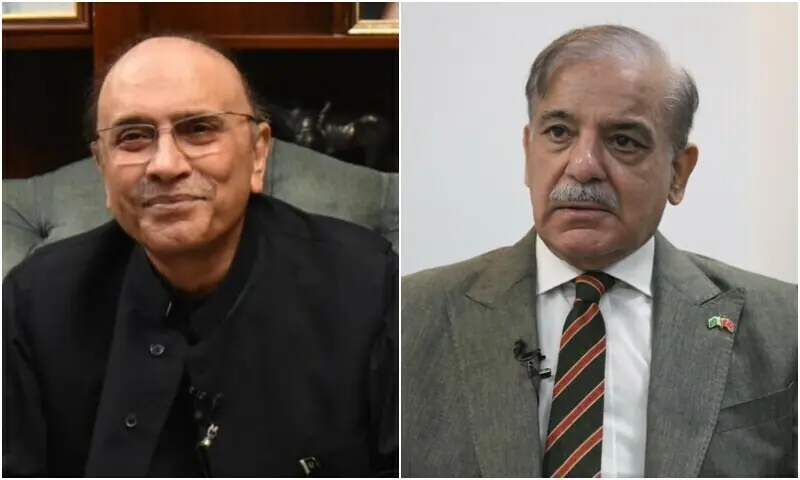
On Kashmir Martyrs' Day, observed annually on July 13, Pakistan's President Asif Ali Zardari and Prime Minister Shehbaz Sharif called on the international community to support the peaceful resolution of the Jammu and Kashmir dispute. They urged adherence to the aspirations of the Kashmiri people and relevant United Nations Security Council resolutions. Both leaders reaffirmed Pakistan's unwavering political, diplomatic, and moral support for Kashmiris' right to self-determination. President Zardari paid tribute to the 22 martyrs of 1931, who sacrificed their lives against Dogra forces, and highlighted the ongoing struggle against what Pakistan deems India's illegal occupation. He cited the presence of 900,000 Indian forces and condemned India's unilateral actions of August 5, 2019, as an attempt to alter Kashmir's identity and demographic composition. President Zardari demanded an immediate halt to repression, human rights violations, the release of political prisoners, the lifting of a military siege, and an end to demographic changes in the occupied territory. Prime Minister Sharif echoed these sentiments, commending the courage and sacrifices of Kashmiri martyrs and emphasizing their resilience. He noted that despite heavy militarization and rights violations, the resolve of the Kashmiri people remains strong, with their aspirations documented and condemned by international human rights organizations and UN mechanisms.
This statement from Pakistan's leadership underscores the enduring geopolitical significance of the Kashmir dispute, framing it through the lens of international law and UN resolutions. The emphasis on self-determination and human rights serves as a strategic appeal to global governance bodies and international public opinion. The critique of India's actions, particularly post-August 2019, highlights concerns about demographic shifts and the erosion of local autonomy, which could have long-term implications for regional stability and the rights of the Kashmiri population. From a future-oriented perspective, the persistent invocation of UN resolutions suggests a strategy to keep the issue on the international agenda, potentially leveraging future shifts in global power dynamics or increased scrutiny of territorial integrity and minority rights in the digital age. The challenge lies in translating these appeals into concrete international action amidst complex geopolitical realities.
AI-generated to prompt reflection — not editorial opinion, not advice, not a statement of fact. How this works.