Pakistan Warns of Glacial Lake Floods Amid Approaching Weather System
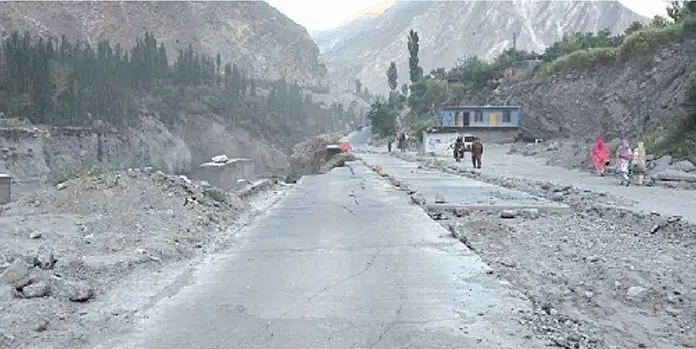
The Pakistan Meteorological Department (PMD) has issued a Glacial Lake Outburst Flood (Glof) alert for the Gilgit-Baltistan (GB) and Khyber Pakhtunkhwa (KP) regions. This warning comes as a fresh westerly weather system is expected to bring moderate to heavy rain and thunderstorms to the glaciated valleys in the coming week. Daytime temperatures are already above normal in these areas, and the combination of warming and precipitation is anticipated to accelerate snow and ice melt. This melting could cause existing glacial lakes to expand, new ones to form, and lead to high river water levels. The PMD cautioned that downstream settlements and low-lying areas along riverbanks are at risk of sudden inundation and flash flooding. The rapid expansion of glacial lakes could destabilize their natural dams, potentially triggering Glof events, which involve the sudden release of water and debris from glacial lakes, causing significant damage to lives and property in mountain communities. Over 7.1 million people in GB and KP are considered vulnerable to these floods. The PMD advises residents and visitors in affected areas to stay away from riverbanks and streams, monitor water bodies closely, and avoid camping or trekking near them. They also recommend avoiding unstable slopes prone to landslides or debris flows. Disaster management authorities are urged to remain vigilant and take precautionary measures. Pakistan holds the largest concentration of glaciers outside the polar regions, with over 13,032 glaciers, though climate change is causing many to recede. An earlier advisory in February highlighted potential Glof risks between March and September 2026 due to rising temperatures and changing weather patterns.
This alert highlights the escalating vulnerability of Pakistan's mountainous regions to climate change impacts, specifically Glacial Lake Outburst Floods (Glofs). The confluence of rising temperatures, increased precipitation, and the country's significant glacial mass creates a precarious situation. The PMD's proactive warning, while crucial for immediate safety, underscores a systemic challenge: the long-term adaptation and mitigation strategies required to manage these recurrent threats. The government and disaster management bodies face the complex task of balancing immediate response with the need for robust infrastructure and community resilience planning in areas with high population vulnerability. This event serves as a stark reminder of the global south's disproportionate exposure to climate-induced risks, necessitating international cooperation on climate finance and technology transfer to bolster adaptive capacities.
AI-generated to prompt reflection — not editorial opinion, not advice, not a statement of fact. How this works.