Pakistani actress Sahar Hashmi responds to comparisons with Bollywood's Emraan Hashmi
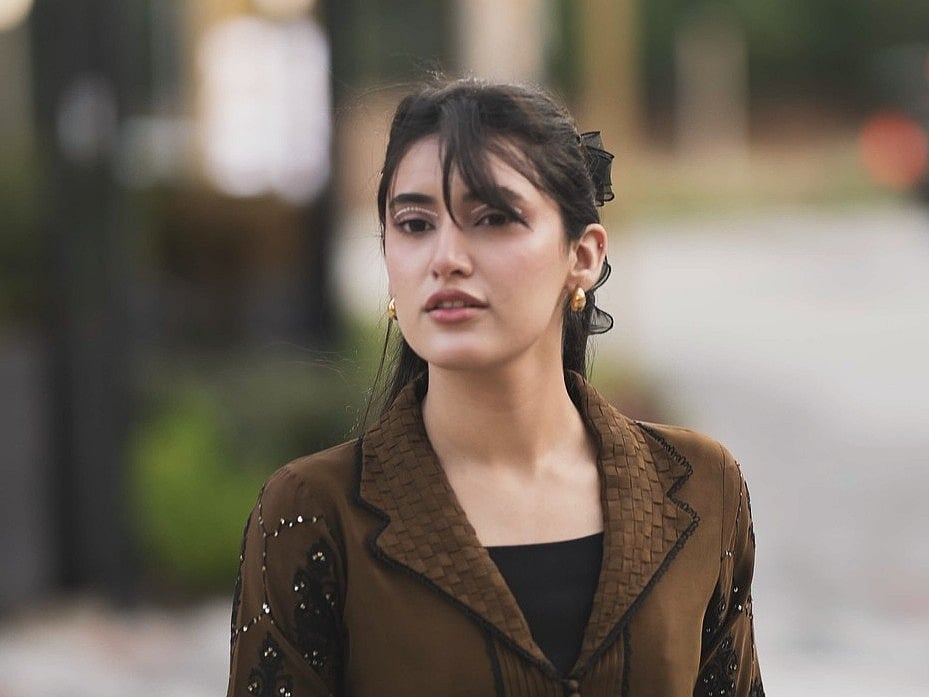
Pakistani actress Sahar Hashmi has faced criticism on social media for her on-screen kissing and hugging scenes in television serials, leading some to label her the 'Emraan Hashmi of Pakistan.' Hashmi, who has appeared in popular dramas like 'Zulm,' 'Ishq Hua,' and 'Mann Mast Malang,' recently addressed the controversy in an interview. She stated that while criticism can help an actor improve, the comparison to Bollywood actor Emraan Hashmi due to these scenes felt 'ridiculous' to her, as she is not the first or last actor to perform such actions on screen. Hashmi defended the scenes, explaining they are often necessary for the story and directed by the filmmaker based on the script. She acknowledged that certain scenes might be unacceptable in Pakistani culture but noted that physical affection between opposite genders is normal in many real-life situations and other cultures. Hashmi pointed out the double standard where male actors are not subjected to similar scrutiny. She also revealed that the online negativity had taken a mental toll, causing her distress and tears, though she received support from colleagues like Shehzad Sheikh, Nawal Saeed, and Feroze Khan. Despite the backlash, Hashmi plans to be more cautious with such scenes in the future, recognizing the need to consider audience reception while urging against personal attacks.
The public reaction to Sahar Hashmi's on-screen intimacy highlights a cultural tension between artistic expression in storytelling and conservative societal norms within Pakistan. While Hashmi's defense emphasizes the narrative function of such scenes and a perceived gender bias in criticism, the audience's discomfort points to deeply ingrained cultural sensitivities. Future productions in Pakistan may need to navigate this dichotomy by either adhering strictly to local cultural expectations or by fostering a broader societal dialogue about the evolving nature of media representation. The actress's experience underscores the significant psychological impact of online scrutiny on performers, particularly when it intersects with cultural taboos, and suggests a need for greater media literacy and empathy from audiences.
AI-generated to prompt reflection — not editorial opinion, not advice, not a statement of fact. How this works.