Pakistani Army Officer Killed in North Waziristan Counter-Terrorism Operation
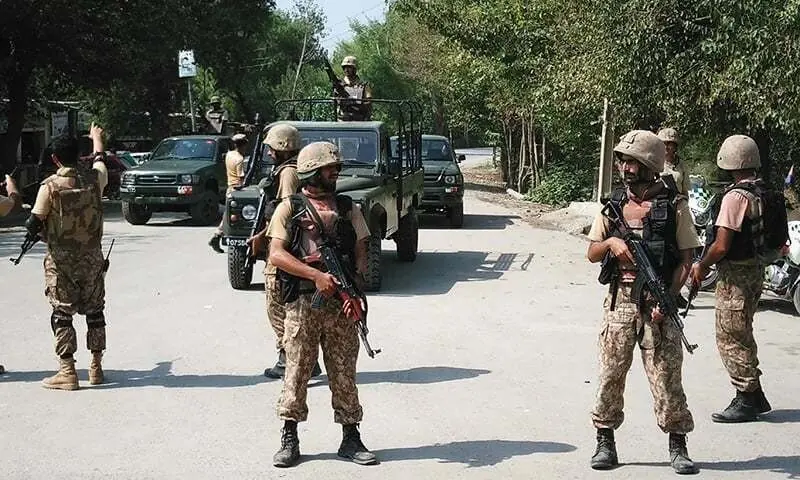
An intelligence-based operation (IBO) in the Razmak area of North Waziristan district resulted in the martyrdom of Army Major Hafiz Ihsan Elahi, aged 34, from Mianwali district. The Inter-Services Public Relations (ISPR) reported that Major Elahi was leading his troops from the front and fought gallantly during the operation. Security forces also successfully eliminated five terrorists associated with the group Fitna al Khawarij, which the state identifies as linked to the banned Tehreek-i-Taliban Pakistan (TTP). The ISPR stated that weapons and ammunition were recovered from the deceased terrorists, who were allegedly involved in numerous attacks against security forces, law enforcement agencies, and civilians. The military is conducting sanitization operations to find any remaining terrorists in the area, described as "India-sponsored." This operation is part of Pakistan's ongoing counter-terrorism campaign, "Azm-i-Istehkam," aimed at eradicating foreign-sponsored terrorism. Prime Minister Shehbaz Sharif recently reiterated the government's commitment to eliminating terrorist outfits like Fitna-al-Hindustan and Fitna-al-Khawarij. Pakistan has experienced a rise in terrorist activities since the TTP ended its ceasefire in November 2022. Earlier in the week, security forces reported killing 32 terrorists in operations across Khyber Pakhtunkhwa and Balochistan.
The reported counter-terrorism operation in North Waziristan highlights the persistent security challenges in the region. The ISPR's framing of the operation, including the designation of terrorist groups and the mention of "India-sponsored terrorism," reflects a specific geopolitical narrative. The mention of "Azm-i-Istehkam" suggests a continuation of state-led strategies to combat militancy, potentially involving enhanced security measures and inter-agency coordination. The surge in reported terrorist incidents since November 2022 indicates a complex and evolving security landscape. Future assessments should consider the long-term effectiveness of these counter-terrorism strategies, their impact on regional stability, and the underlying socio-economic factors that may contribute to radicalization. Evaluating the efficacy of these campaigns requires a nuanced understanding of both security operations and broader conflict-resolution approaches.
AI-generated to prompt reflection — not editorial opinion, not advice, not a statement of fact. How this works.