Pakistani Parties Engage AJK Protesters Amidst Election Preparations
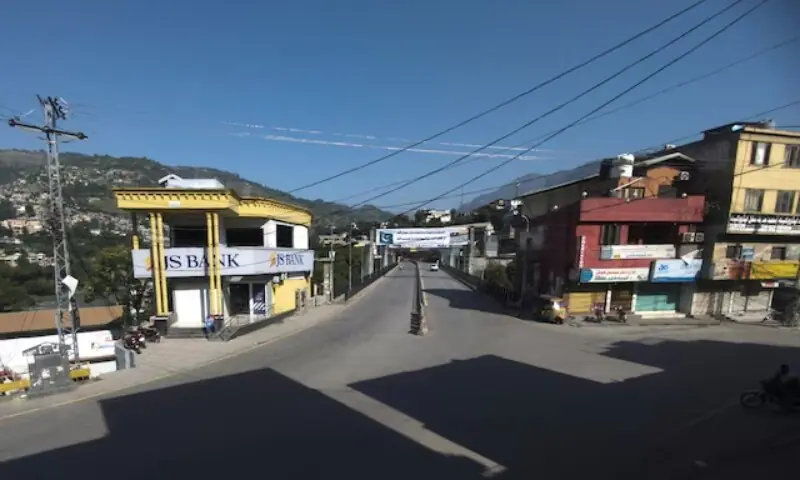
As elections approach in Azad Jammu and Kashmir (AJK), major political parties are intensifying efforts to engage with the Joint Awami Action Committee (JAAC), a group leading protests over demands for abolishing refugee seats in the legislature. Pakistan Peoples Party (PPP) chief Bilawal Bhutto-Zardari recently met with regional political leaders, including AJK Prime Minister Faisal Mumtaz Rathore, as part of his party's election campaign and to assert influence in AJK politics. Concurrently, Pakistan Muslim League-Nawaz (PML-N) leader Nawaz Sharif is scheduled to visit Mirpur for an election rally. These high-profile visits are interpreted as attempts by the PPP and PML-N to solidify their presence and relevance in the region's political landscape, which has been significantly shaped by the JAAC's recent activism. Adding to these engagement efforts, Syed Qamar Raza, Chairman of the Overseas Pakistanis Foundation (OPF), reportedly met with JAAC leaders in Rawalakot on Wednesday. While initially described as a 'backchannel attempt,' Raza later confirmed the meeting as a 'personal initiative' to dissuade the JAAC from resorting to violence. His statement emphasized his commitment to the welfare of the Pakistani diaspora and addressing their concerns. This outreach occurred amidst ongoing efforts to de-escalate tensions in AJK following weeks of protests. Notably, a JAAC leader publicly acknowledged and thanked both Mr. Qamar and Field Marshal Asim Munir for their perceived understanding of Kashmiri grievances, suggesting a broader dialogue is underway.
The electoral landscape in Azad Jammu and Kashmir is being shaped by a dynamic interplay between established political parties and a vocal protest movement. The engagement strategies employed by the PPP and PML-N, including high-level visits and direct outreach to the JAAC, reflect an effort to balance electoral campaigning with the management of regional grievances. The involvement of figures like the OPF Chairman, framed as a personal initiative, highlights the complex channels of communication and influence operating in the region. This situation presents a challenge for future governance, as it necessitates integrating the demands of protest groups into policy frameworks while maintaining electoral stability. The long-term sustainability of peace and political participation in AJK may depend on the ability of all actors to move beyond immediate electoral gains and address the underlying systemic issues driving discontent.
AI-generated to prompt reflection — not editorial opinion, not advice, not a statement of fact. How this works.