Pakistani universities face declining enrollment, especially among women, due to economic pressures and outdated curricula.
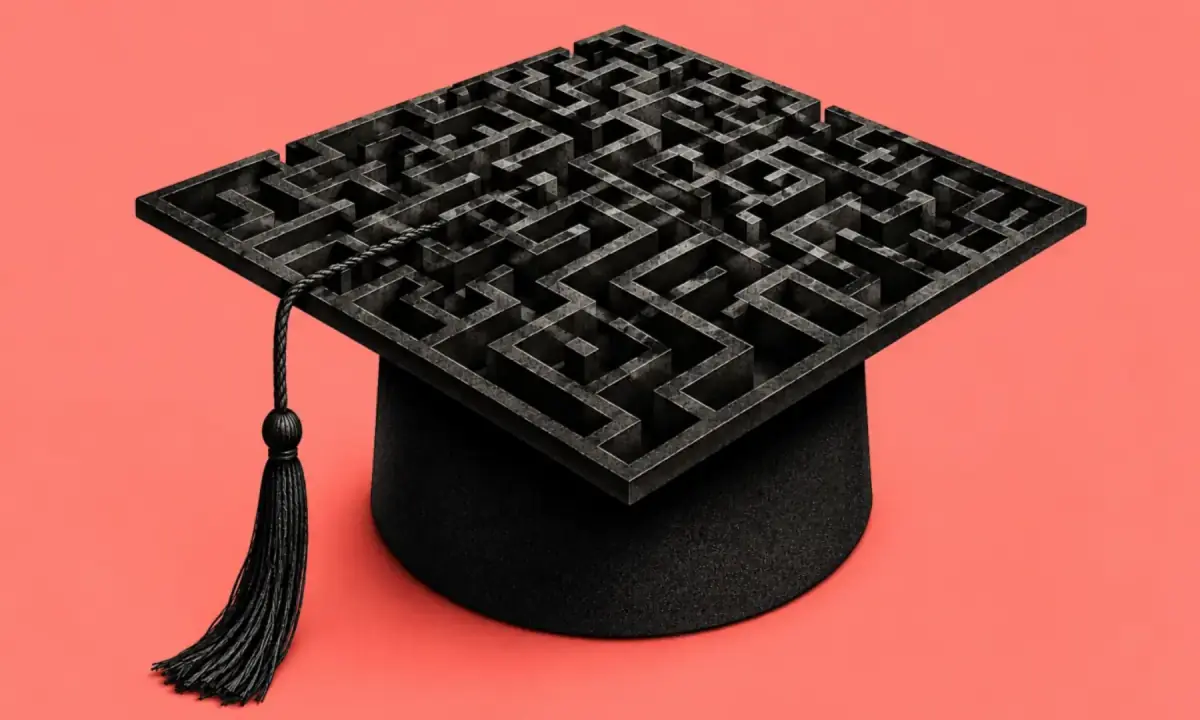
A long-serving member of a university admissions committee in Pakistan observes a significant and concentrated decline in student enrollment, particularly affecting women applying to evening programs. This trend, exacerbated by severe economic pressures, has led families to question the value of higher education when job security is uncertain. Parents are increasingly prioritizing saving for their daughters' dowries and weddings over tuition fees, viewing a degree without guaranteed employment as a poor investment. This shift in family priorities is reflected in university admissions, with Punjab's Higher Education Department reporting a 20-30% drop in admissions and national enrollment falling by nearly 12% since its 2020-21 peak. The author argues that while inflation, currency depreciation, and a saturated job market are contributing factors, the higher education sector itself is slow to adapt. Curricula and teaching methods, often designed for a different economic era, fail to equip students with the specific, demonstrable skills employers now demand. Families are comparing lengthy degree programs unfavorably against shorter vocational training or even direct migration for work. To regain trust, universities must openly publish graduate employment outcomes and reform programs to align with labor market needs. The author believes this decline is a deliberate verdict by families on the cost, risk, and return of a degree, requiring fundamental changes within universities to prove their value.
The observed decline in university admissions, particularly among women pursuing evening programs in Pakistan, highlights a critical juncture where economic realities intersect with educational investment decisions. Families are performing a cost-benefit analysis, weighing the financial outlay for higher education against uncertain future employment prospects and the immediate needs of dowry and marriage. This situation reveals a systemic challenge for higher education institutions: a potential disconnect between the credentials they offer and the demonstrable skills demanded by a rapidly evolving labor market. Universities that fail to adapt their curricula and openly demonstrate the tangible outcomes of their programs risk losing relevance and trust. The decision to prioritize immediate financial security or alternative pathways like vocational training or international migration over traditional degrees suggests a broader societal re-evaluation of educational ROI. Addressing this requires not only economic support mechanisms like scholarships but also a fundamental internal reform within academia to ensure degrees provide a clear and compelling advantage in the job market, thereby rebuilding confidence in the long-term value of higher education.
AI-generated to prompt reflection — not editorial opinion, not advice, not a statement of fact. How this works.