Pakribas Municipality Cancels Fruit Sapling Contract Over Quality Concerns
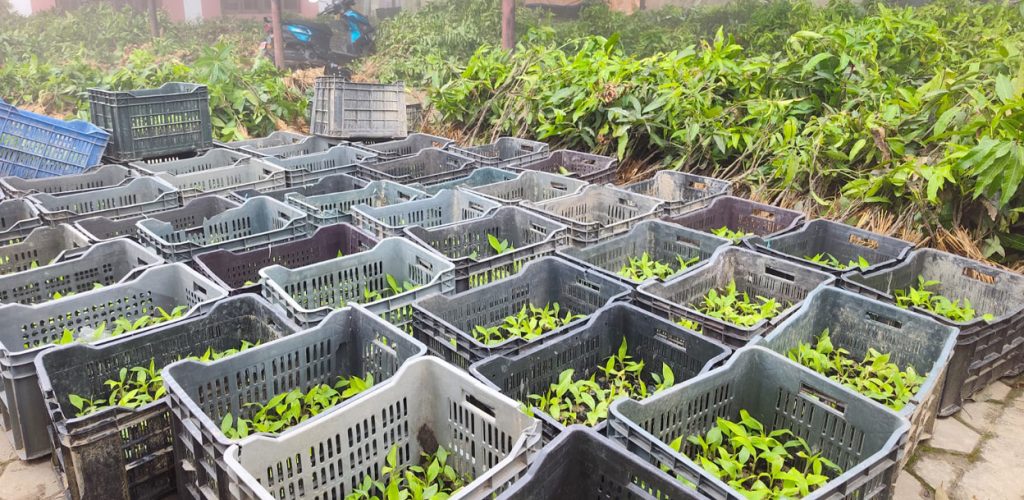
Pakribas Municipality in Dhankuta has canceled a contract worth approximately 1.4 million Nepalese Rupees for the supply of fruit saplings intended for distribution to farmers. The decision was made because the supplier failed to deliver high-quality saplings within the agreed-upon timeframe, as stipulated in the contract. The municipality cited the non-fulfillment of contractual obligations regarding the quality and timely delivery of the saplings as the primary reason for the cancellation. This action aims to ensure that farmers receive only the best quality planting materials, preventing potential losses due to substandard produce. The municipality is expected to re-evaluate its procurement process for agricultural inputs to prevent similar issues in the future. This move underscores the local government's commitment to supporting agricultural development through reliable and quality-assured resources for its farming community. The cancellation highlights the importance of strict adherence to contract terms in public procurement, particularly for essential agricultural supplies.
The cancellation of the sapling contract by Pakribas Municipality reflects a common challenge in public procurement, where ensuring quality and timely delivery from suppliers can be difficult. This situation underscores the need for robust oversight mechanisms and clear performance metrics within municipal contracts. Moving forward, the municipality might consider implementing phased payments tied to verifiable quality checks or incorporating penalty clauses for non-compliance. Evaluating the supplier selection process to include more stringent vetting criteria, potentially involving agricultural experts, could mitigate future risks. This event also highlights the broader systemic issue of supply chain reliability in supporting agricultural initiatives, particularly in regions dependent on such programs for economic development.
AI-generated to prompt reflection — not editorial opinion, not advice, not a statement of fact. How this works.