Paks Nuclear Plant Faces Frequent Shutdowns Due to Heatwaves
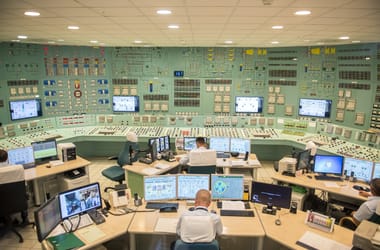
Hungary's Paks Nuclear Power Plant is increasingly experiencing shutdowns during summer months due to rising global temperatures. The plant relies on the Danube River for cooling, but the river's temperature increases significantly during heatwaves, forcing operational reductions. These power output decreases, termed 'turn-downs,' accelerate the wear and tear on reactor blocks designed for continuous operation. This situation arises as discussions are underway to extend the lifespan of the Paks facility. The need for these frequent adjustments highlights a growing challenge for nuclear power plants worldwide operating in environments affected by climate change. The forced reductions in output not only impact energy supply but also raise concerns about the long-term integrity and maintenance costs of the aging reactors.
The recurring need to reduce output at the Paks Nuclear Power Plant due to rising water temperatures from heatwaves presents a systemic challenge. This operational constraint, driven by climate change impacts on the Danube River, creates a tension between the plant's design for continuous operation and the environmental realities of a warming planet. The accelerated amortization of reactor components due to these frequent shutdowns raises questions about the economic viability and safety of extending the plant's lifespan under such conditions. Future energy infrastructure planning must account for the increasing frequency and intensity of extreme weather events and their direct impact on critical industrial operations, potentially necessitating adaptive cooling technologies or a re-evaluation of plant siting and operational parameters.
AI-generated to prompt reflection — not editorial opinion, not advice, not a statement of fact. How this works.