Paks Nuclear Plant Reduces Output to One Reactor at Half Capacity
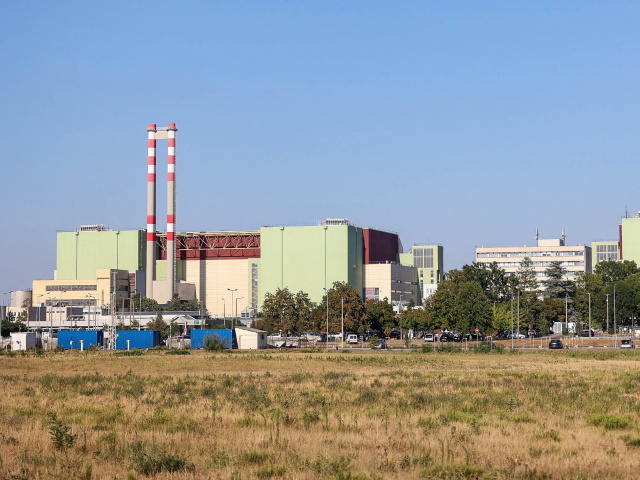
Hungary's Prime Minister Péter Magyar announced on Sunday night via social media that the second-to-last reactor at the Paks nuclear power plant has been shut down. This leaves only one reactor operational, and it is running at only 50% of its capacity. The shutdown of this reactor is expected to cost Hungary 50 billion forints. Further details on the cause of the shutdown or the timeline for repairs were not immediately available. The Paks plant is a crucial component of Hungary's energy supply, and any reduction in its output has significant implications for the national grid and energy costs. The government has previously outlined plans to expand the Paks facility with new reactors, a project that has faced international scrutiny. This recent operational issue raises questions about the reliability and maintenance of the existing infrastructure. The economic impact of the reduced output, estimated at 50 billion forints, highlights the plant's importance to the Hungarian economy. The situation underscores the challenges of maintaining aging nuclear infrastructure while also pursuing ambitious expansion projects.
The operational reduction at the Paks nuclear power plant, with one of its four reactors now offline and another at half capacity, presents a significant challenge to Hungary's energy security and economic stability. The reported cost of 50 billion forints underscores the financial implications of such disruptions. This event may prompt a re-evaluation of the maintenance schedules and infrastructure resilience of the existing Paks facility, particularly in light of ongoing plans for expansion. The incident highlights the inherent risks associated with nuclear power generation, including the potential for unexpected outages that can strain national energy grids and lead to substantial economic losses. Future energy strategies will need to balance the benefits of nuclear power with robust risk management and contingency planning to ensure reliable and cost-effective energy supply.
AI-generated to prompt reflection — not editorial opinion, not advice, not a statement of fact. How this works.