Paks Nuclear Power Plant to Reduce Output Further Due to Danube Water Levels
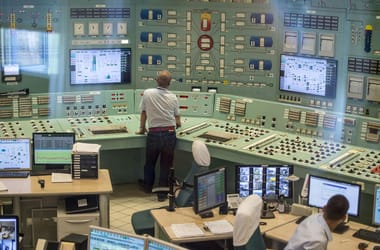
The Paks Nuclear Power Plant in Hungary will implement further power reductions on its third block starting this evening. This measure is being taken due to the critically low water levels in the Danube River. The reduced operational capacity is a direct consequence of the environmental conditions affecting the plant's cooling systems. The Danube's water level has been steadily declining, impacting the plant's ability to draw sufficient water for its operations. This situation necessitates a careful balancing act between energy production and environmental safety. The Paks plant is a significant contributor to Hungary's energy supply, and such reductions can have implications for national energy security. The authorities are monitoring the situation closely, assessing the river's water levels and the plant's operational status. Further adjustments to power output may be necessary depending on how the Danube's water levels evolve in the coming days. The focus remains on ensuring the safe and stable operation of the nuclear facility under challenging environmental circumstances.
The Paks Nuclear Power Plant's reliance on the Danube River for cooling highlights the increasing vulnerability of critical infrastructure to climate change impacts, such as prolonged droughts and reduced water flow. This event underscores the need for robust adaptation strategies in energy production, potentially involving diversified cooling methods or enhanced water management systems. As the region faces more frequent and severe weather events, such operational constraints may become more common, prompting a re-evaluation of energy security frameworks and the long-term sustainability of current energy generation models. This situation invites consideration of how infrastructure resilience can be built into future energy planning, especially in the context of evolving environmental conditions and their potential to disrupt supply chains and industrial processes.
AI-generated to prompt reflection — not editorial opinion, not advice, not a statement of fact. How this works.