Palestine's Impact on Western Politics
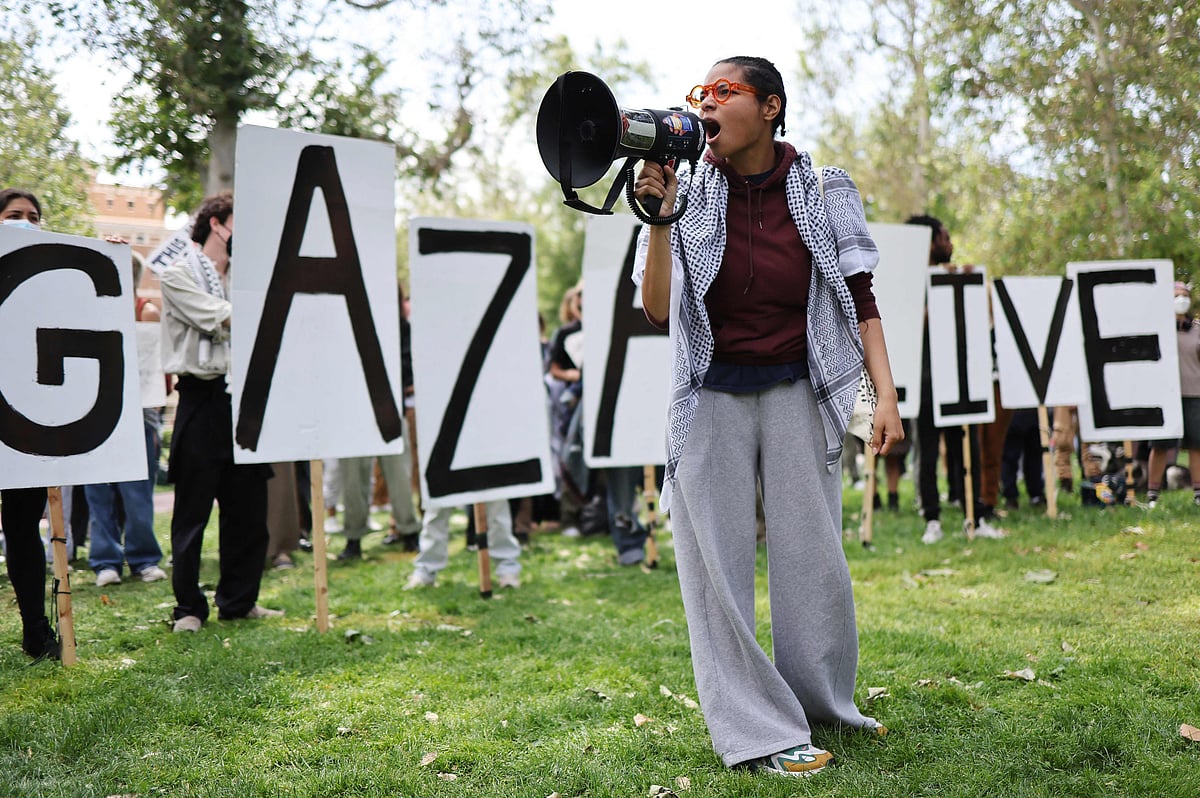
The conflict in Palestine has profoundly reshaped Western political discourse and policy. Recent developments indicate that even when Hamas agreed to disarmament, Israeli forces maintained control over more than 60% of Gaza. This situation has been exacerbated by the actions of hard-right Israeli ministers, whose policies have intensified regional tensions. The ongoing situation has forced Western nations to re-evaluate their long-standing alliances and diplomatic strategies. The humanitarian crisis in Gaza, coupled with the political deadlock, has put significant pressure on international bodies to find a lasting resolution. This has led to increased internal debate within Western countries regarding their role and responsibilities in the Middle East. The events have also highlighted the complex interplay between domestic politics and foreign policy in Western democracies. Ultimately, the Palestinian issue continues to be a significant factor influencing geopolitical alignments and the future of international relations.
The enduring Israeli-Palestinian conflict presents a complex challenge to Western foreign policy, demanding a re-evaluation of established diplomatic frameworks. The entanglement of domestic political pressures within Western nations with their international commitments creates inherent tensions. As the geopolitical landscape evolves, particularly with the rise of new global powers and shifting economic priorities, Western powers face the imperative to adapt their strategies. Examining the incentive structures driving the actions of all involved parties, from state actors to non-state groups, is crucial for understanding the dynamics. The long-term implications for regional stability and the potential for wider geopolitical realignments warrant careful consideration as international actors navigate this persistent crisis.
AI-generated to prompt reflection — not editorial opinion, not advice, not a statement of fact. How this works.
