Palmas City Hall Awards $2.1M Emergency Contract for Storm Damage Repairs
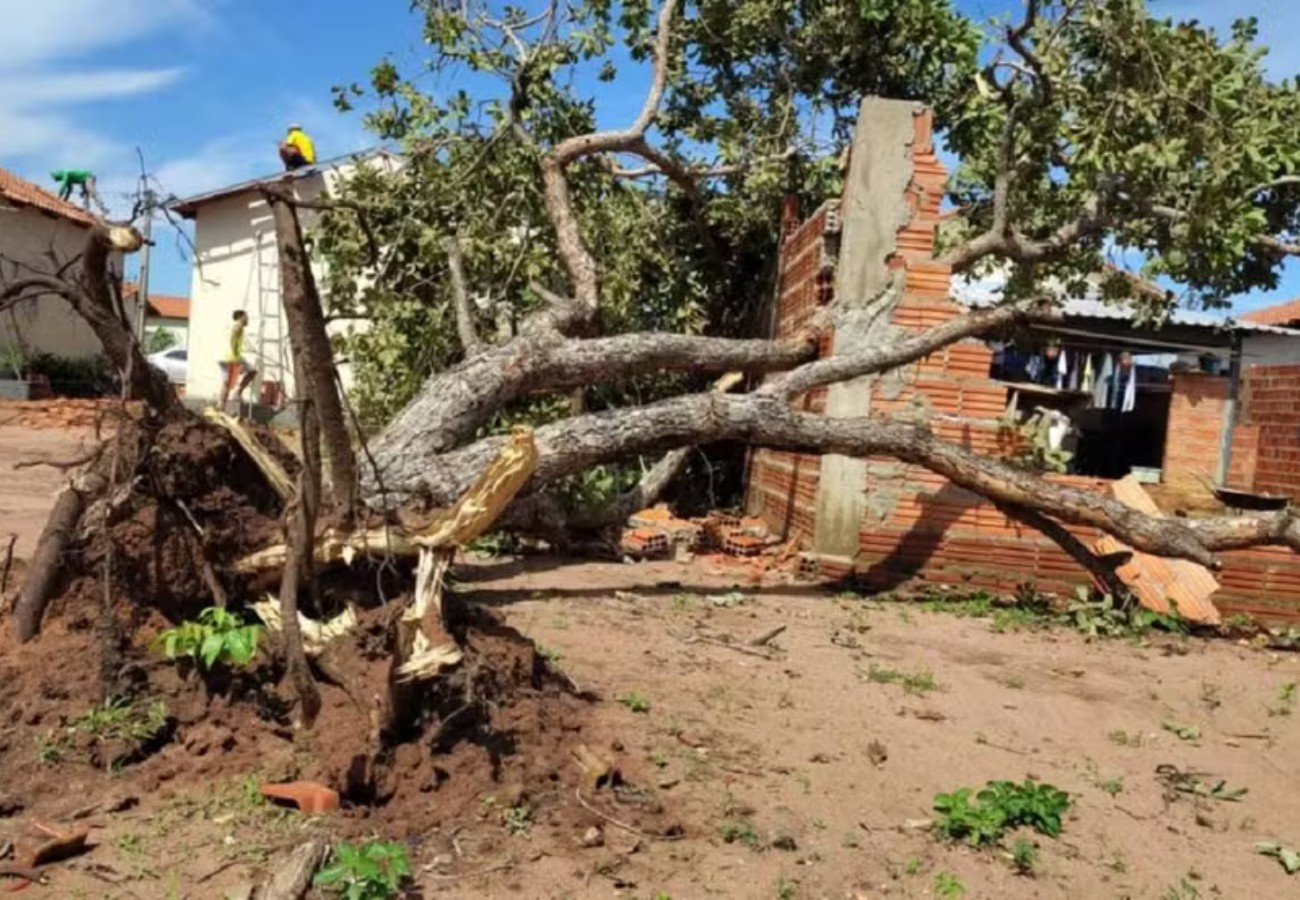
Seven months after a severe windstorm devastated the Taquari neighborhood in Palmas, the city government has awarded an emergency contract worth R$2.1 million to FG Serviços e Comércio Ltda. for home repairs. The contract, published in the Official Gazette on Wednesday, May 15th, bypasses the standard bidding process, citing the state of emergency declared following the January 8th storm. The windstorm caused widespread damage, including downed trees, damaged roofs, and destroyed walls, leading to power outages.
The city explained that the delay in awarding the repair contract was due to prioritizing initial emergency response, damage assessments, and mapping. In the interim, the municipality provided essential aid, including materials, food baskets, cleaning supplies, and hygiene kits, to affected families. Approximately 200 homes were estimated to have been damaged, impacting 571 families, totaling 2,314 individuals. The state of Tocantins also pledged R$426,000 to assist 200 families. The emergency repair contract, signed by Secretary Carlos Antônio da Costa Júnior, aims to address the corrective maintenance of damaged residences, following a recognized state of emergency by both municipal and federal authorities. The formalization of the contract occurred only after comprehensive technical surveys, damage quantification, and work plan approval, ensuring legal compliance and proper use of public funds.
The seven-month delay between the January windstorm and the awarding of the R$2.1 million emergency repair contract raises questions about municipal efficiency and disaster response protocols. While the city cited the need for initial emergency aid, damage assessments, and legal due diligence, the extended timeline for essential repairs may indicate systemic challenges in preparedness and execution. The use of emergency, non-bid contracts, while legally permissible in such situations, concentrates significant public funds without competitive oversight, potentially impacting cost-effectiveness and vendor selection rigor. Future policy considerations could focus on streamlining post-disaster assessment and contracting processes to expedite recovery, while also exploring mechanisms for greater transparency and accountability in emergency procurement to ensure public trust and optimal resource allocation.
AI-generated to prompt reflection — not editorial opinion, not advice, not a statement of fact. How this works.