Palmas Endures High Temperatures as Cold Air Masses Are Diverted
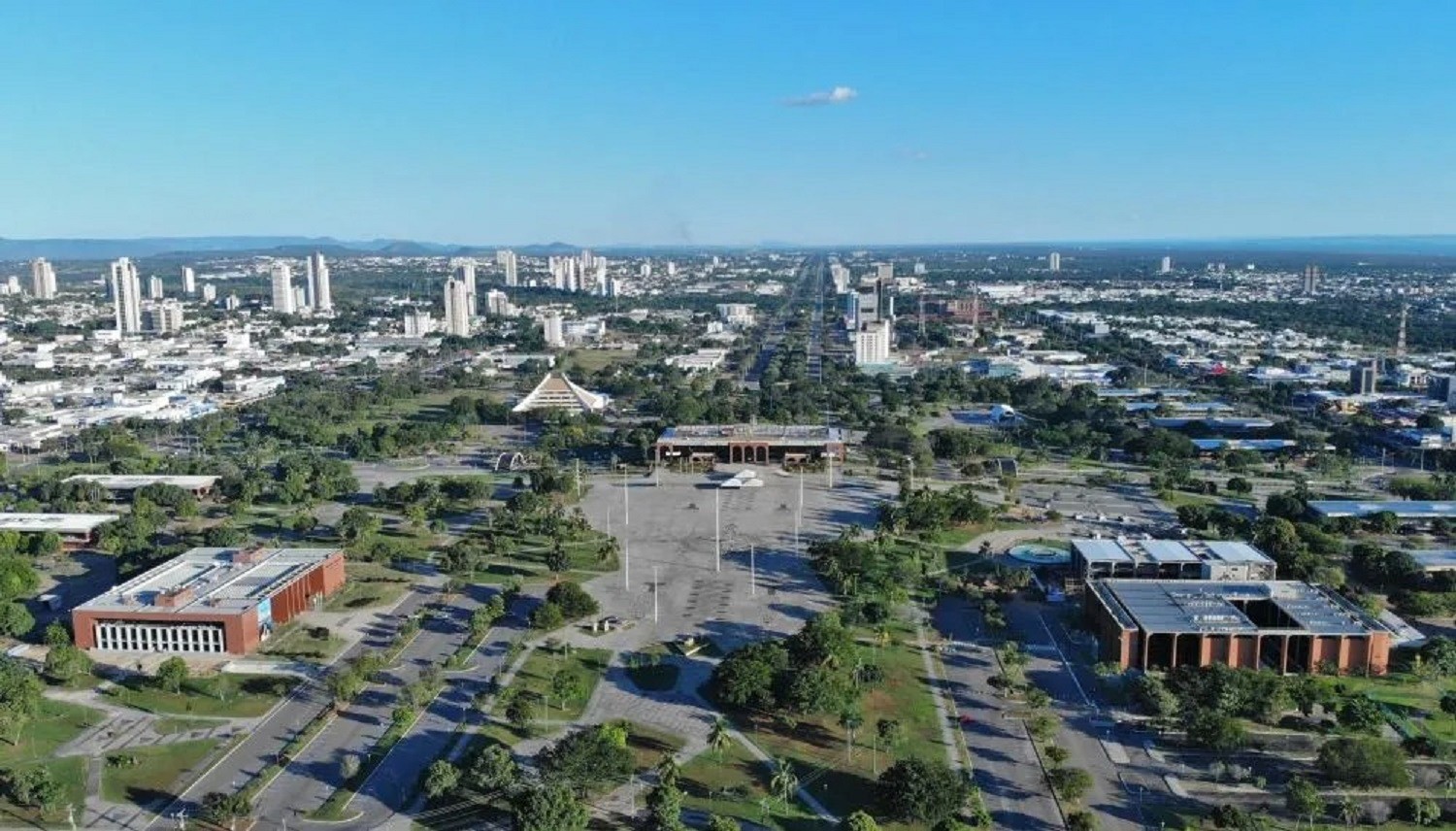
Palmas, the capital of Tocantins state in Brazil, is experiencing intense heat and high thermal sensations, even during periods when other parts of the country register temperature drops. This phenomenon is largely attributed to atmospheric patterns that divert cold air masses away from the city. According to meteorologist Francisco Assis, the prevailing winds during this time of year consistently push cold air masses towards the ocean, preventing them from reaching Palmas. While some southern regions of Tocantins may experience a slight impact, the capital remains largely unaffected. Palmas operates under a distinct two-season atmospheric dynamic: a dry season from May to September, characterized by arid air and a lack of rain, and a wet season. The dry season currently in effect contributes to the persistent high temperatures and dry conditions. Assis warns that global climate patterns, specifically the El Niño phenomenon, are expected to exacerbate these high temperatures, potentially leading to even more excessive heat in 2026. The El Niño is already active and contributing to current high temperatures, with forecasts predicting readings up to 40 degrees Celsius in Palmas through August. The city's "winter" is characterized by intense sun and clear skies, with meteorological data indicating a trend of increasingly hotter and drier conditions annually. While clear skies can prevent the thermal sensation from worsening, the presence of asphalt and a lack of urban greenery further contribute to the elevated temperatures in Palmas.
The persistent high temperatures in Palmas, despite regional cold fronts, highlight the influence of localized atmospheric dynamics and prevailing wind patterns on urban climates. The city's geographical position and meteorological conditions create a unique thermal environment, exacerbated by urban development factors like extensive asphalt surfaces and limited vegetation. The projected impact of El Niño suggests a need for proactive urban planning and climate adaptation strategies to mitigate future heatwaves. Understanding these complex interactions between natural phenomena and human-induced environmental changes is crucial for developing sustainable urban resilience in tropical regions facing increasing thermal stress.
AI-generated to prompt reflection — not editorial opinion, not advice, not a statement of fact. How this works.