Palmas Faces Extreme Heat and Low Humidity Amid El Niño
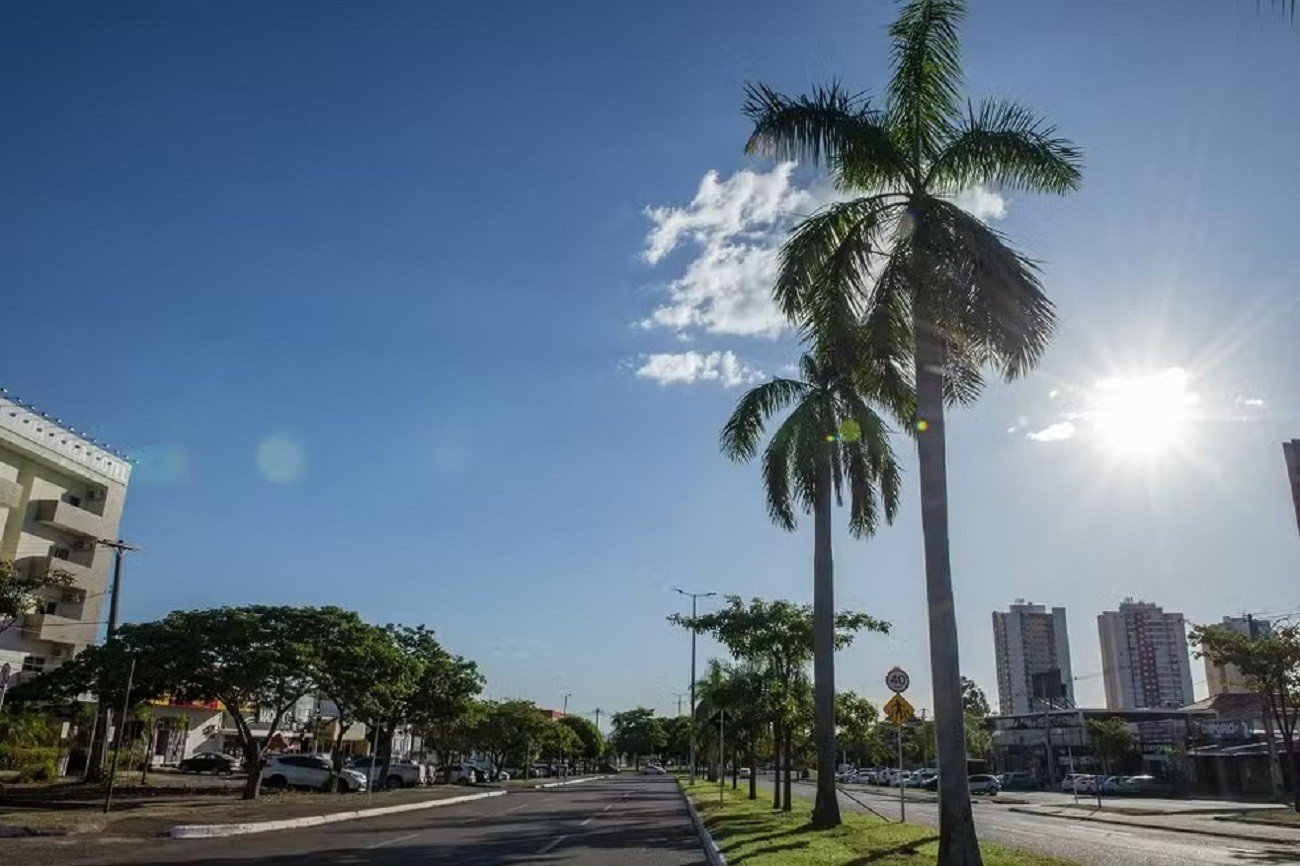
Palmas, Brazil, is bracing for a week of intense heat, with maximum temperatures expected to reach 37 degrees Celsius on Monday, June 6th, according to the National Institute of Meteorology (Inmet). This heatwave is part of a broader dry season that is forecast to dominate the capital until September, as cold air masses are unable to reach the city. Inmet has also issued a low humidity alert for the entire state on Monday afternoon, with air moisture levels potentially dropping to 20%, significantly below the World Health Organization's recommended levels. Residents are advised to stay hydrated, avoid strenuous physical activity during the driest hours, and limit sun exposure during peak heat. Looking ahead, Tuesday's forecast shows a high of 36 degrees Celsius, while Wednesday anticipates a high of 35 degrees and a low of 19, with humidity potentially reaching 20%. Thursday's maximum temperature is projected at 35 degrees Celsius, with no forecast yet available for Friday. The region is experiencing the effects of El Niño, which began on June 11, 2026, and has placed Tocantins under a "high impact" orange alert. Meteorologist Francisco Assis noted that El Niño exacerbates high temperatures, particularly during the dry season, with temperatures potentially reaching 40 degrees Celsius in July and August. Cold fronts are being diverted away from Palmas by prevailing winds, affecting only southern Tocantins at times. Assis also pointed out that urban factors, such as extensive asphalt and lack of tree cover, contribute to the worsening heat conditions in the city.
The forecast for Palmas highlights the compounding effects of a major climate phenomenon, El Niño, and localized urban environmental conditions on public well-being. The predicted extreme heat and critically low humidity levels pose significant public health challenges, necessitating proactive measures from both authorities and individuals. The analysis of urban heat island effects, attributed to asphalt and reduced vegetation, underscores the importance of integrated urban planning that prioritizes green infrastructure and climate resilience. As El Niño's influence is expected to persist, and with similar patterns potentially recurring in future climate cycles, understanding and mitigating these synergistic impacts will be crucial for safeguarding communities in tropical and subtropical regions.
AI-generated to prompt reflection — not editorial opinion, not advice, not a statement of fact. How this works.