Palmas Faces Extreme Heat and Low Humidity in Early August
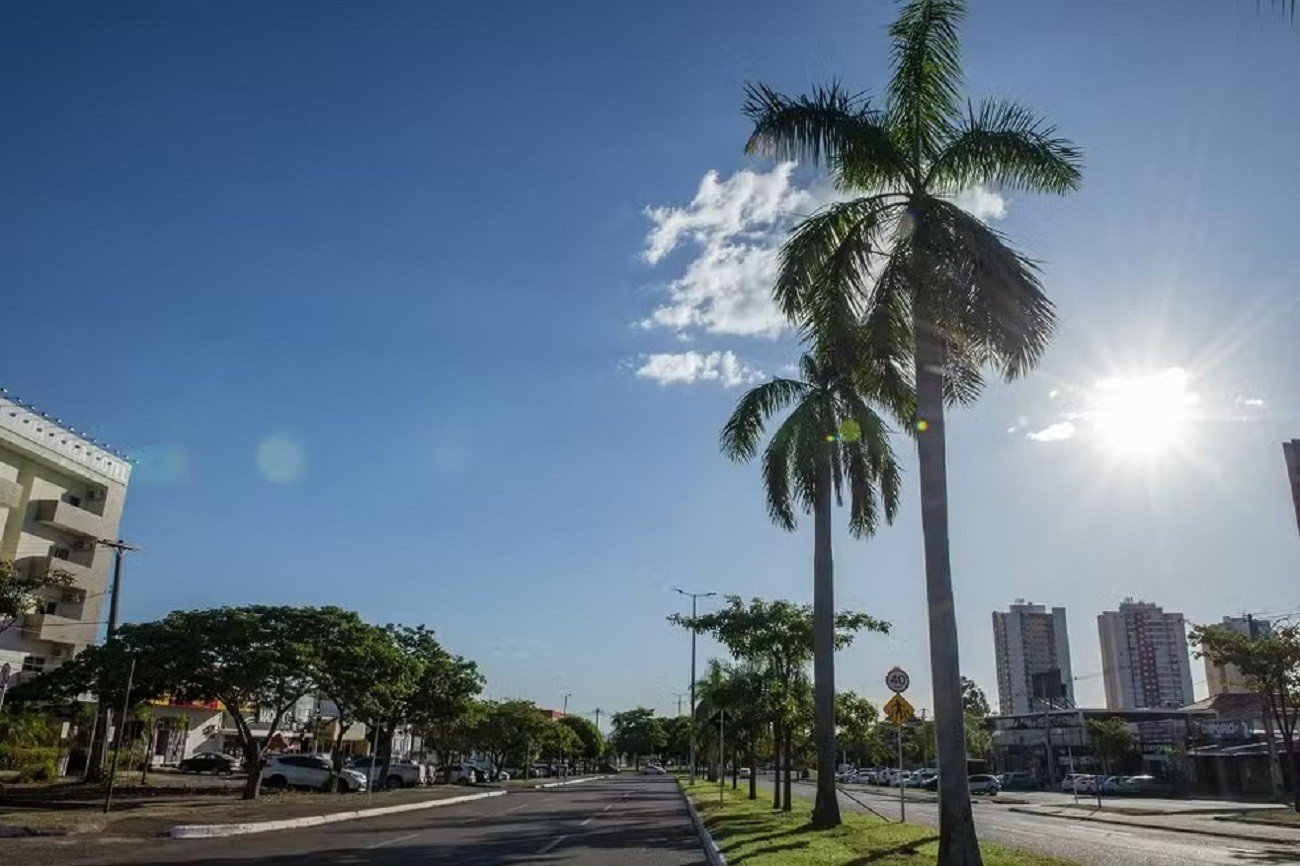
Palmas, Brazil, is experiencing intense heat and dry conditions as August begins. Temperatures are projected to reach up to 37°C during the first week of the month. The National Institute of Meteorology (INMET) has issued a potential danger alert due to low air humidity, which is expected to fall between 20% and 30% during the hottest parts of the day. This level is significantly below the World Health Organization's recommended ideal of around 60% for human health. INMET's forecast for August indicates that the MATOPIBA region, which includes Tocantins, will likely see temperatures up to 1.5°C above the historical average. Specific forecasts for Palmas show highs ranging from 35°C to 37°C from Monday, August 3rd, to Thursday, August 6th, with minimum temperatures between 18°C and 21°C. To mitigate the effects of the dry weather, INMET advises residents to drink plenty of fluids, avoid strenuous outdoor activities during peak heat hours (11 am to 4 pm), limit direct sun exposure, use moisturizers, and maintain indoor humidity. The alert is classified as a yellow flag, indicating potential danger.
The current weather event in Palmas highlights the intersection of climate and public health, particularly in regions susceptible to heatwaves and arid conditions. The forecast for above-average temperatures in August, coupled with dangerously low humidity, presents a public health challenge that requires proactive measures. This situation underscores the importance of robust early warning systems and public education campaigns to manage the risks associated with extreme weather. As climate patterns evolve, such events may become more frequent, necessitating long-term strategies for urban planning and resource management to enhance resilience against heat stress and dehydration, especially for vulnerable populations. The INMET's recommendations provide immediate guidance, but the underlying trend suggests a need for broader adaptation strategies.
AI-generated to prompt reflection — not editorial opinion, not advice, not a statement of fact. How this works.