Palmas Faces Intensified Heatwaves in 2026 Due to El Niño, Warns Meteorologist
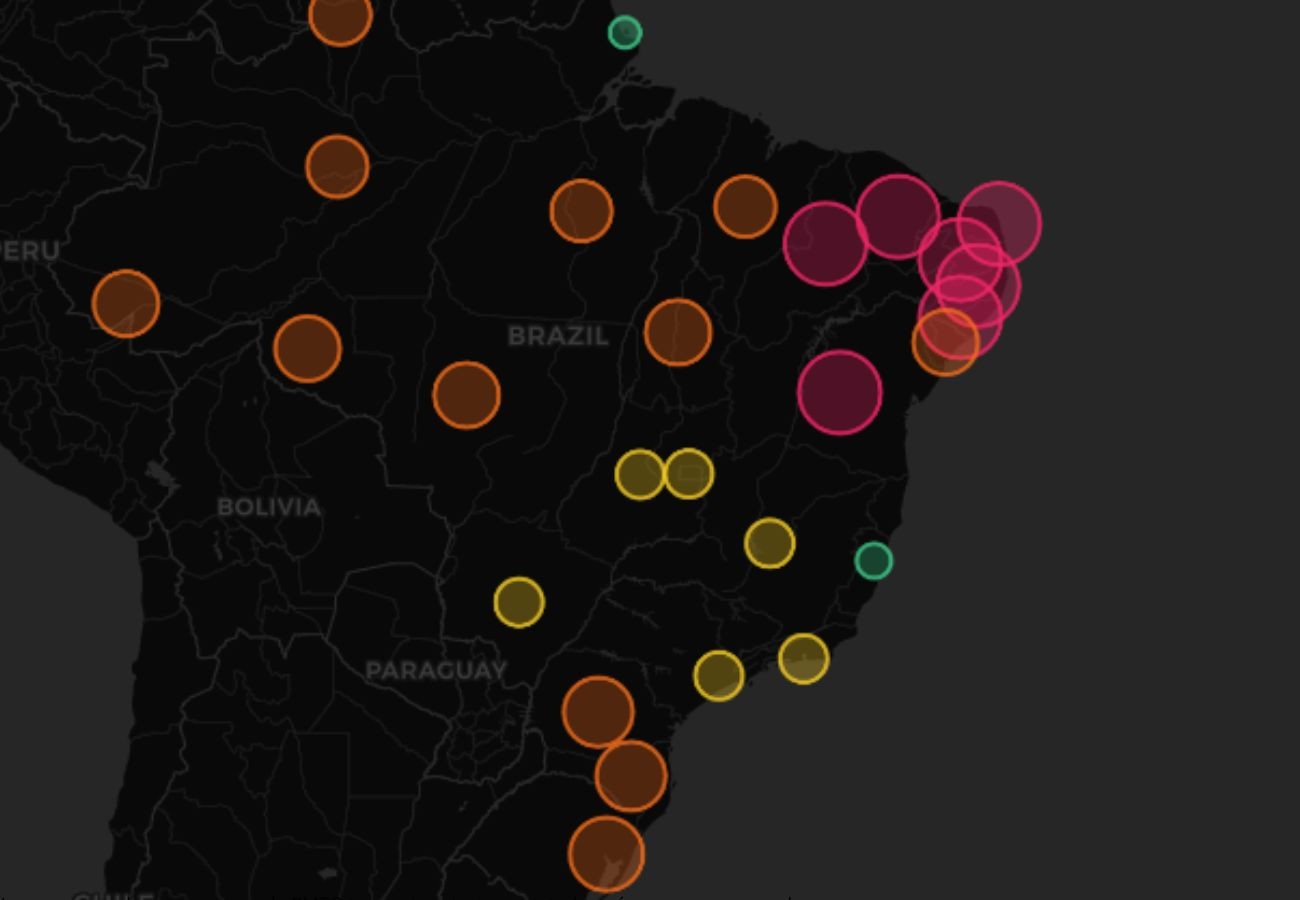
The city of Palmas is expected to experience more intense heatwaves in 2026 due to the influence of the El Niño phenomenon, according to meteorologist Francisco Assis. El Niño, characterized by above-average warming of surface waters in the Equatorial Pacific Ocean, significantly alters global rainfall and temperature patterns. This natural phenomenon, combined with ongoing global warming, is predicted to cause stronger heatwaves than previously recorded. Palmas, already known as one of Brazil's hottest capitals with a naturally hot and dry climate during its dry season, will likely see these temperatures exacerbated. The dry season in Palmas typically runs from May to September, bringing dry air and preventing rainfall. Cold air masses that lower temperatures in other parts of Brazil are usually diverted away from Palmas by prevailing winds. Meteorologist Francisco Assis stated that El Niño is already active and contributing to high temperatures, with forecasts predicting temperatures reaching 40 degrees Celsius in Palmas by August. The El Niño event was officially declared active on June 11, 2026, and Tocantins, the state where Palmas is located, is under a Level Orange alert, indicating a high impact from the climate phenomenon. The predicted effects for the region include drought conditions and an increased risk of wildfires in the Cerrado biome.
The convergence of the natural El Niño cycle and anthropogenic global warming presents a significant challenge for urban planning and public health in regions like Palmas. This intensified heat poses risks to vulnerable populations, infrastructure, and ecosystems, necessitating proactive adaptation strategies. Future urban development must integrate climate resilience, focusing on green infrastructure, water management, and early warning systems to mitigate the impacts of extreme heat events. Understanding the interplay between global climate drivers and local atmospheric dynamics is crucial for developing effective, long-term solutions that protect both human well-being and environmental sustainability in the face of a changing climate.
AI-generated to prompt reflection — not editorial opinion, not advice, not a statement of fact. How this works.