Palmas Increases Security Measures After Four Murders in 48 Hours
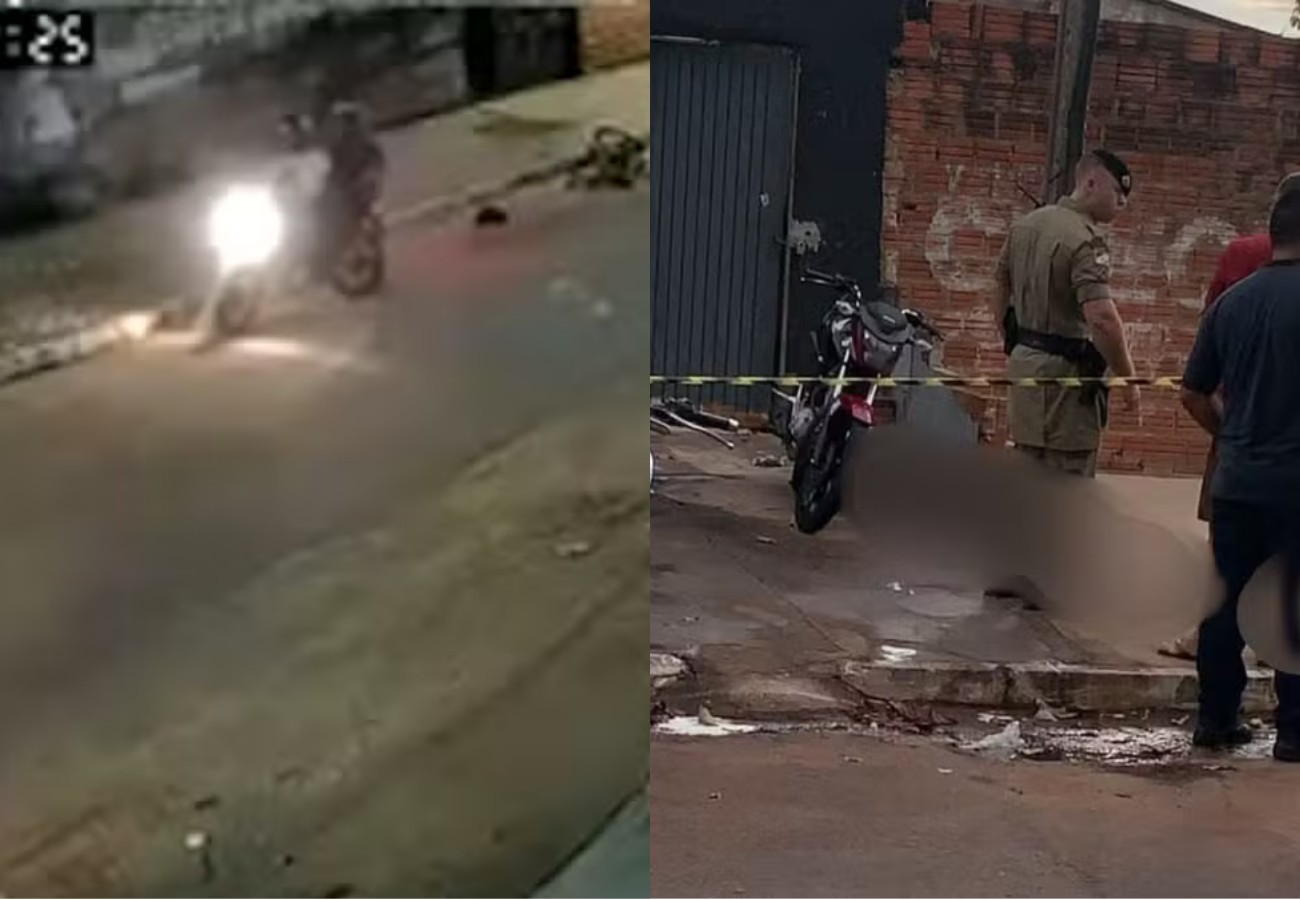
Palmas, Brazil, is implementing enhanced security operations following four homicides within a 48-hour period. The incidents occurred between the afternoon of Wednesday, July 15th, and the evening of Thursday, July 16th, all in southern neighborhoods of the city. The victims were identified as Juan Nascimento Santos, Arthur Quirino Gaita, Ruan Pablo Silva Evangelista (a teenager), and Jadson Filho Gonçalves Pereira (also 17 years old). All killings were carried out by armed individuals on motorcycles. In response, the Military Police (PMTO) will launch "Operação Cidade Blindada" from July 17th to July 27th. This operation will involve increased visible policing, strategic roadblocks, and targeted vehicle and individual checks, primarily in the southern region. The Civil Police are actively investigating to identify those responsible. The State Secretariat of Public Security (SSP/TO) held a strategic meeting with intelligence and investigative units to coordinate efforts in monitoring violent crimes. The focus is on qualified repression of organized crime and rapid response to de-escalate the violence. Information sharing among security forces is being intensified to aid in suspect identification and crime prevention.
The surge in homicides in Palmas necessitates a robust law enforcement response, balancing immediate public safety needs with long-term crime prevention strategies. The implementation of "Operação Cidade Blindada," featuring increased patrols and checkpoints, aims to deter criminal activity and apprehend perpetrators. However, the effectiveness of such operations often depends on intelligence-led policing and community engagement, particularly when addressing violence linked to organized crime. A sustained focus on intelligence sharing and analysis among security agencies is crucial for identifying and dismantling criminal networks. Future strategies should consider addressing the root causes of violence, alongside enforcement, to foster lasting peace and security in the region.
AI-generated to prompt reflection — not editorial opinion, not advice, not a statement of fact. How this works.