Palmas Leads Tocantins Electoral Roll with 18% of Voters for 2026 Elections
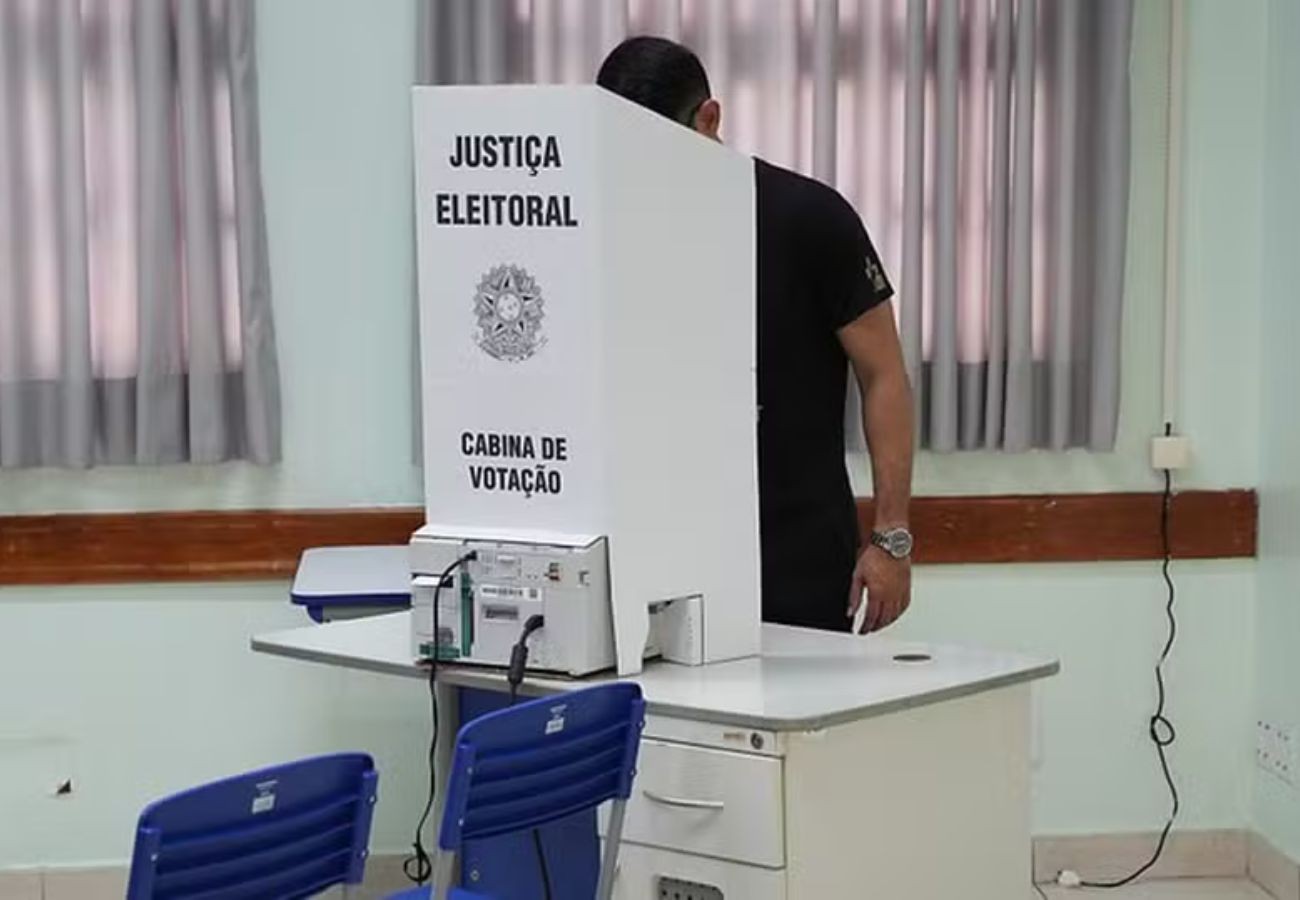
Palmas, the capital of Tocantins, Brazil, stands as the largest electoral college in the state, accounting for approximately 18% of the total electorate for the upcoming 2026 General Elections. The Superior Electoral Court (TSE) has released definitive data showing that Tocantins has a total of 1,182,307 eligible voters, a slight increase of nearly 1% from the previous election. Palmas alone registers 218,504 voters, significantly more than Araguaína (124,000), Gurupi (61,407), and Porto Nacional (47,207). Conversely, the smallest electoral districts are in municipalities with fewer than 2,000 voters, including Oliveira de Fátima (1,693), Sucupira (1,762), Tupiratins (1,804), and Crixás do Tocantins (1,827).
Further demographic details reveal that 86% of Tocantins' voters are within the mandatory voting age group. Women constitute the majority at 50.92% (601,991 voters), while men represent 49.08% (580,316 voters). The state also boasts a high rate of biometric registration, with 95.83% of its electorate having this feature, surpassing the national average of 89%. The most numerous age group is 25 to 29 years old, followed by those aged 40-44, 30-34, and 35-39. Voters with optional voting status include 23,568 individuals aged 16-17 and 103,993 seniors over 70.
Regarding racial self-declaration, approximately 30% of the electorate provided this information. Among them, 229,205 identified as mixed-race (parda), 62,778 as white, 52,461 as black, 5,739 as indigenous, and 2,648 as Asian. Additionally, 4,827 voters identified as quilombola. With these finalized figures, electoral authorities are proceeding with preparations for the 2026 General Elections across the state.
The concentration of electoral power in the capital city, Palmas, highlights typical patterns of urbanization and political influence in developing regions. This demographic distribution suggests potential disparities in resource allocation and representation for more remote or less populated areas. As Brazil moves further into the digital age, the high rate of biometric registration in Tocantins, exceeding the national average, indicates a successful adoption of technological solutions for electoral integrity and efficiency. Future electoral strategies may need to consider how to best engage and represent a diverse electorate, particularly younger voters and those in smaller municipalities, ensuring their voices are adequately heard amidst the dominance of larger urban centers.
AI-generated to prompt reflection — not editorial opinion, not advice, not a statement of fact. How this works.