Pampulha Art Museum Restoration Stalled for Seven Years
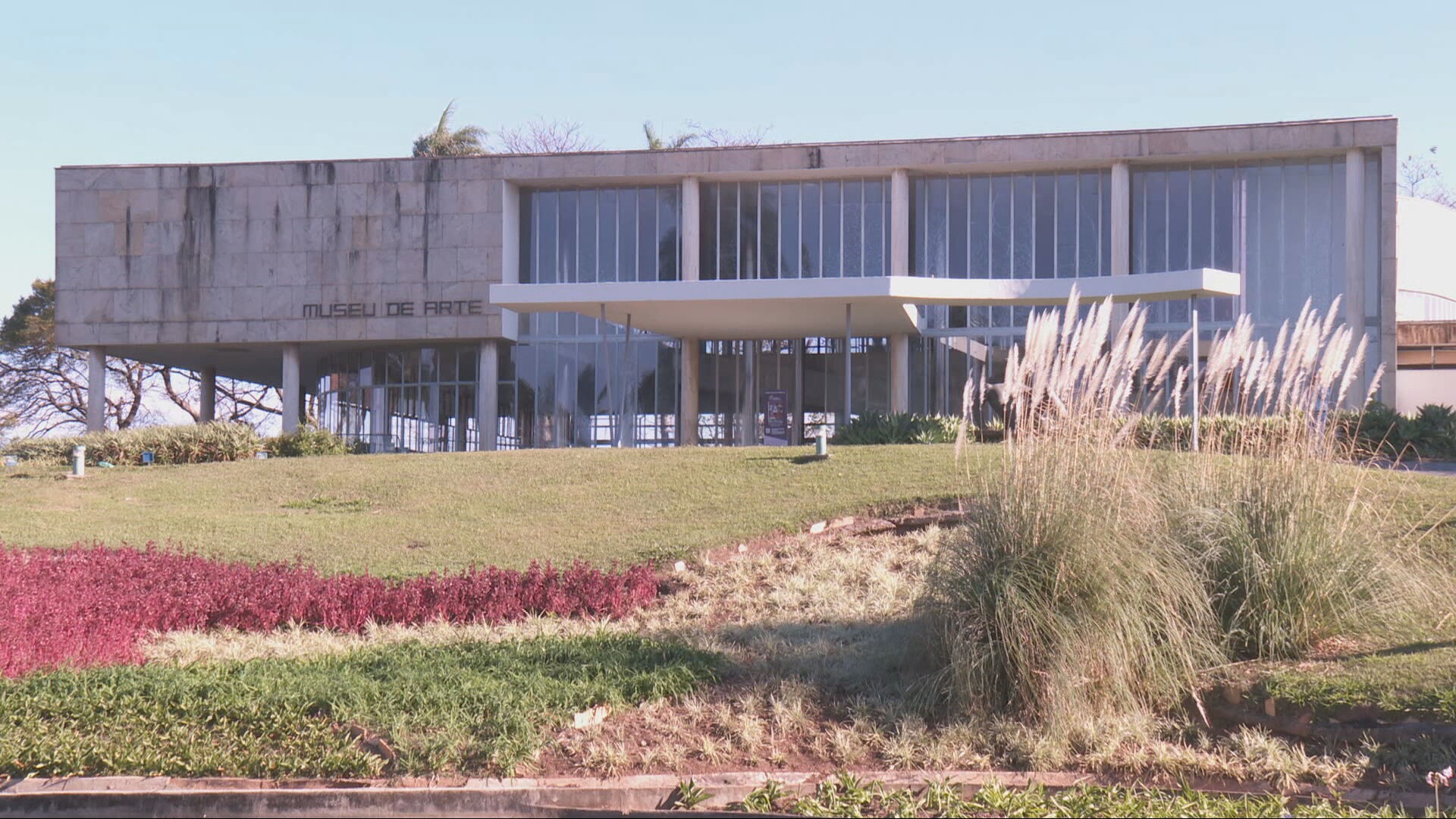
Seven years after its closure, restoration work on the Pampulha Art Museum (MAP) in Belo Horizonte, Brazil, has yet to begin. The museum, a significant symbol of the city and part of the Pampulha Modern Ensemble, a UNESCO World Heritage site, has been closed to the public since 2019 due to structural issues, including electrical and hydraulic problems. Experts like Leonardo Castriota, vice-president of the International Council on Monuments and Sites, emphasize the need for continuous maintenance of modern architectural buildings, which are often exposed to environmental elements. The restoration project has undergone reviews by heritage preservation bodies, and the Belo Horizonte City Hall announced a recovery plan in December 2024. However, the bidding process for the restoration, initially scheduled for the previous month, has been postponed due to requests for revisions in the tender documents. The executive branch indicated that the opening of competitor proposals is slated for Friday, May 10th, with the aim of homologating the process this year and commencing interventions in the first half of 2027. Andrea Michelini, a counselor at the Architecture and Urbanism Council of Minas Gerais (CAU-MG), acknowledged the bureaucratic complexities inherent in restoration projects, which differ from simple renovations and require strict adherence to historical integrity. Designed by Oscar Niemeyer and inaugurated in 1943 as a casino, the building was transformed into the MAP in 1957. While the museum's approximately 1,400 artworks await their return, interventions are underway at the former Water Treatment Station in Pampulha to house them temporarily. The City Hall stated that the restoration process is progressing according to schedule and safety protocols for historical heritage sites, with current efforts focused on preparing the building and protecting the collection before structural interventions begin.
The prolonged delay in restoring the Pampulha Art Museum highlights systemic challenges in heritage preservation, particularly concerning bureaucratic processes and the long-term maintenance of modern architectural landmarks. The extended closure, now in its seventh year, risks diminishing the cultural institution's relevance and accessibility for the public. While the city administration cites complex project requirements and the need for secure artifact relocation, the extended timeline raises questions about resource allocation and project management efficiency. Future strategies for such significant cultural assets might benefit from exploring more agile procurement methods and establishing dedicated, long-term maintenance funds to prevent future deterioration and ensure timely interventions, thereby safeguarding cultural heritage against the inevitable passage of time and environmental factors.
AI-generated to prompt reflection — not editorial opinion, not advice, not a statement of fact. How this works.