Pan Am Flight 526A Wreckage Found; 1952 Crash Led to Air Safety Reforms
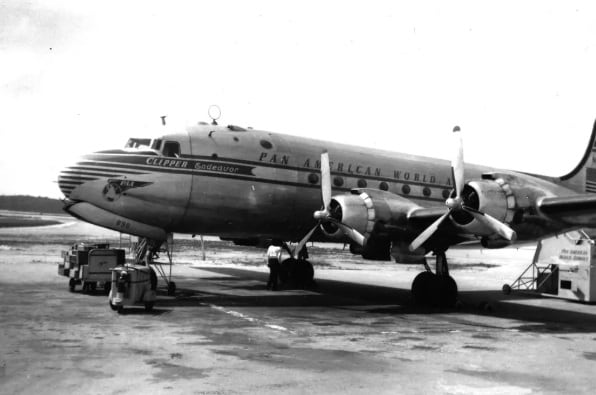
The wreckage of Pan Am Flight 526A, which crashed into the sea in 1952, has been discovered. This incident was pivotal in changing air safety regulations worldwide. All 52 passengers aboard the Boeing 377 Stratocruiser initially survived the emergency water landing. However, a tragic turn of events occurred when the passengers refused to follow the pilot's instructions for evacuation. This refusal led to the drowning of all 52 individuals on board. The disaster highlighted critical flaws in emergency procedures and passenger management during aviation incidents. Consequently, the event spurred significant reforms in air safety protocols, including improved evacuation techniques and clearer communication strategies between flight crews and passengers. The discovery of the wreckage brings renewed attention to this historic event and its lasting impact on modern aviation safety standards.
The 1952 Pan Am Flight 526A incident serves as a stark reminder of the complex interplay between technological safety and human behavior in emergencies. While the aircraft's ability to withstand an emergency landing was a testament to early aviation engineering, the subsequent loss of life underscores the critical importance of effective communication and passenger compliance during crises. This event likely prompted a re-evaluation of pilot authority, passenger briefing protocols, and the design of emergency exits and flotation devices. In the context of the evolving AI era, understanding and predicting human responses in high-stress situations remains a significant challenge for automated systems. Future aviation safety systems may incorporate more sophisticated behavioral analysis to anticipate and mitigate risks stemming from human factors, ensuring that technological advancements are complemented by robust human-factors engineering and clear, universally understood emergency procedures.
AI-generated to prompt reflection — not editorial opinion, not advice, not a statement of fact. How this works.