Pan Am Flight Tragedy Highlights Gaps in Aviation Safety Protocols
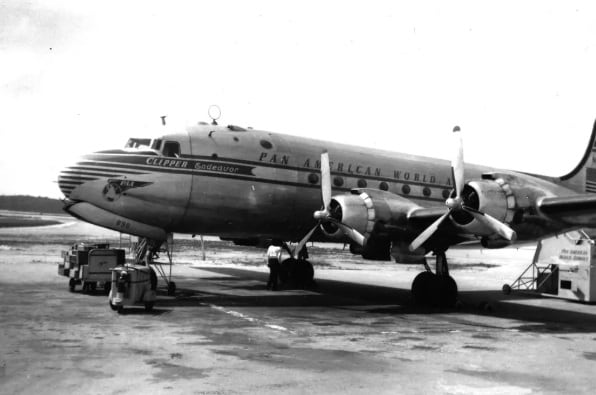
The Pan Am Clipper Endeavor experienced a critical incident when two of its four engines failed, forcing an emergency water landing. During the ordeal, passengers struggled to locate life vests due to a lack of clear protocols and communication. This event underscored significant deficiencies in emergency procedures, particularly concerning the accessibility and instruction for life-saving equipment. The incident revealed that passengers were not adequately informed about the location of safety equipment, such as life vests, leading to confusion and potential danger during the emergency landing. This oversight highlighted a critical gap in the airline's safety training and passenger communication strategy. The failure to provide clear instructions on where to find essential safety gear like life vests directly impacted the passengers' ability to prepare for the water landing. The incident served as a stark reminder of the importance of robust and well-communicated safety protocols in aviation. It emphasized that even advanced aircraft operations require meticulous attention to basic emergency preparedness for all individuals on board. The lack of a defined protocol for life vest distribution and location information proved to be a major failing. This event is seen as a turning point that prompted a re-evaluation and enhancement of aviation safety standards globally.
The Clipper Endeavor incident, where passengers lacked guidance on life vest locations during an emergency water landing, reveals a critical vulnerability in aviation safety protocols. This event underscores the necessity for standardized, universally understood emergency procedures that go beyond technical flight operations to encompass passenger preparedness. The failure in communication points to a systemic issue where the human element of safety, particularly in high-stress scenarios, may not receive sufficient emphasis in training and operational planning. Looking ahead, the integration of AI could potentially enhance such protocols by providing real-time, context-aware instructions to passengers via cabin displays or personal devices, ensuring immediate and clear guidance during emergencies. This incident serves as a foundational case study for refining the balance between technological advancement and fundamental human safety measures in air travel.
AI-generated to prompt reflection — not editorial opinion, not advice, not a statement of fact. How this works.