Pan Am Plane Wreck Found in Puerto Rico, Reviving Aviation Tragedy
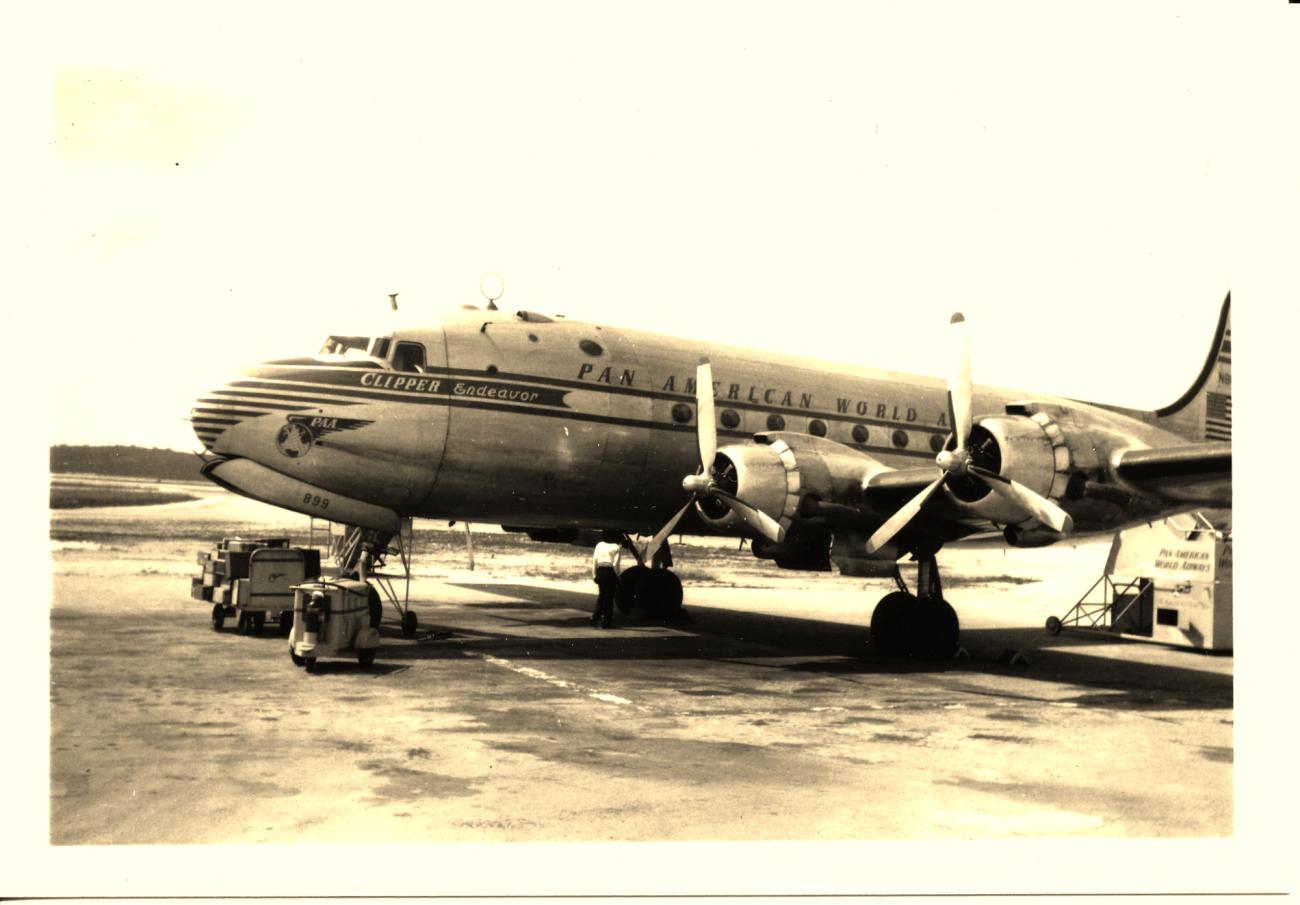
Seventy-four years after its disappearance, the wreckage of the Pan Am "Clipper Endeavor" has been discovered in Puerto Rico. This finding reopens a significant chapter in aviation history, recalling the tragic loss of the aircraft and its passengers. The "Clipper Endeavor" vanished on January 21, 1950, during a flight from New York to San Juan. Its disappearance marked one of the most perplexing mysteries in the early days of commercial air travel. The search for the aircraft had been ongoing for decades, involving numerous expeditions and investigations. The discovery of the wreckage is expected to provide crucial insights into the circumstances surrounding the crash. This event significantly impacted aviation safety protocols and passenger confidence during that era. The recovery of the "Clipper Endeavor" serves as a poignant reminder of the inherent risks and the relentless pursuit of understanding in aviation. It is a moment for reflection on the progress made in air travel safety since that fateful day.
The recovery of the "Clipper Endeavor" wreckage after 74 years offers a unique opportunity to analyze the evolution of aviation safety standards and accident investigation techniques. This event, occurring in 1950, predates many modern regulatory frameworks and technological advancements in flight data recording and communication. The investigation into this crash, now potentially aided by physical evidence, can highlight the challenges faced by early aviation authorities in determining causal factors and implementing preventative measures. Understanding the specific circumstances of this loss, free from the emotional narratives of the time, allows for a rational assessment of the industry's progress in mitigating risks and enhancing passenger security over the subsequent decades. It underscores the persistent human endeavor to learn from past failures and continuously improve complex systems.
AI-generated to prompt reflection — not editorial opinion, not advice, not a statement of fact. How this works.