Pan Am Plane Wreck from 1952 Crash Found Off Puerto Rico Coast
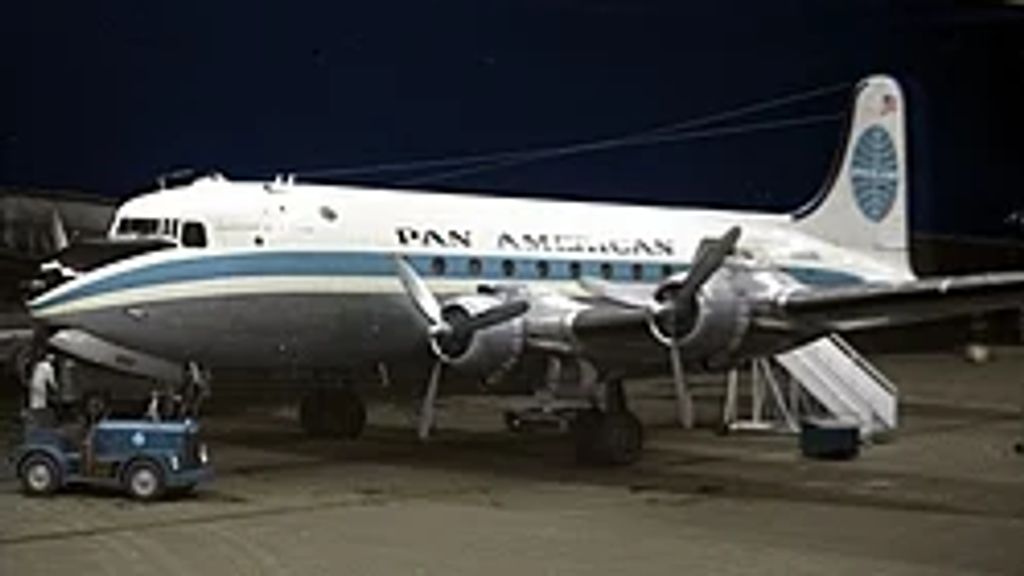
Researchers have located the wreckage of a Pan Am "Clipper Endeavor" DC-4 aircraft that crashed off the coast of Puerto Rico in 1952, resulting in the deaths of 52 people. The crash occurred shortly after takeoff due to engine failure. While all 52 individuals initially survived the water landing, most drowned as the plane sank. Seventeen passengers and crew members survived the incident. Survivors reported panic on board, with difficulties finding life vests and deploying life rafts. This tragic event prompted the implementation of mandatory safety instructions for passengers in commercial aviation, a crucial step towards modern aviation safety standards, according to aviation safety expert John Cox. The aircraft's fuselage and tail were discovered last month at a depth of 600 meters using an underwater drone. The crash site's location was incidentally noted by Air Force pilots training nearby in 1952, yet the wreckage remained unfound for decades. A 2024 search effort, documented by the Discovery Channel program "Expedition Unknown," initially failed due to adverse weather. Ultimately, the deep-sea exploration company Deep Sea Vision, utilizing specialized equipment, located the debris in April while coincidentally passing through the area. The CEO of Deep Sea Vision described the successful discovery as a convergence of favorable conditions, including good weather, the right team, and appropriate technology.
The discovery of the Pan Am "Clipper Endeavor" wreckage after 74 years highlights the enduring challenges of deep-sea recovery and the historical evolution of aviation safety protocols. The initial survival of all 52 occupants underscores the critical importance of emergency preparedness and efficient rescue operations, as evidenced by the survivors' accounts of difficulties with life vests and rafts. The subsequent mandate for passenger safety briefings, directly attributed to this incident, demonstrates how systemic failures can catalyze significant advancements in safety regulations. Future technological progress in underwater exploration, as exemplified by Deep Sea Vision's success, may unlock further insights into historical aviation incidents, potentially improving current safety practices and offering closure for affected families. The long delay in locating the wreckage also points to the complexities of maritime search and the need for persistent, technologically advanced efforts in accident investigation.
AI-generated to prompt reflection — not editorial opinion, not advice, not a statement of fact. How this works.