Pancreatic Cancer Claims 20 Lives in Southern Minas Gerais Cities in 2026
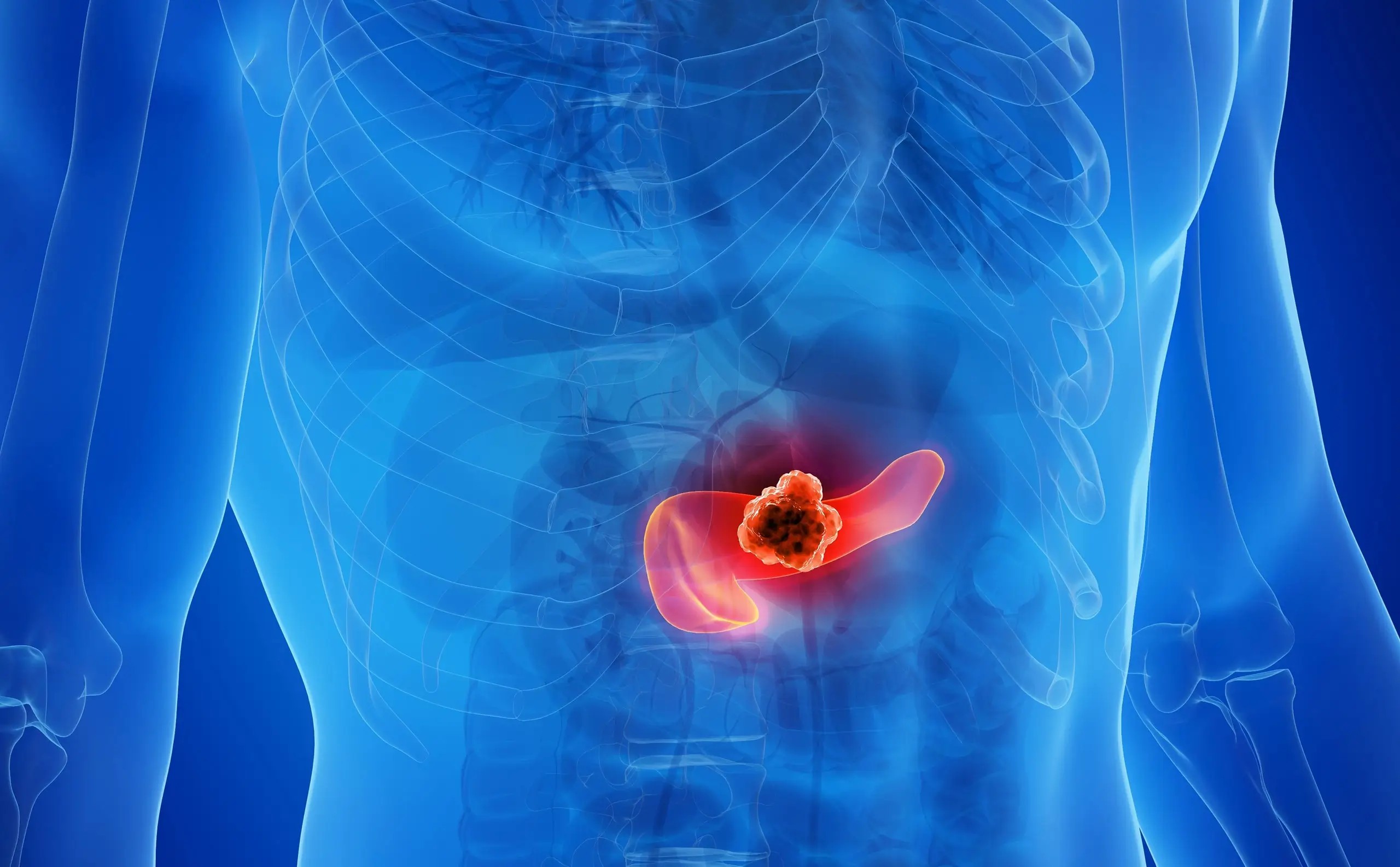
Pancreatic cancer, known for its aggressive nature and lack of effective early screening methods, has resulted in 20 deaths in the major cities of Southern Minas Gerais during 2026. This figure is part of a larger trend, with 381 diagnoses recorded in Minas Gerais last year, 17 of which were in the four largest southern cities: Varginha, Poços de Caldas, Pouso Alegre, and Passos. Specifically, Varginha recorded six deaths, Poços de Caldas also had six, Pouso Alegre had four, and Passos reported four fatalities from the disease this year.
Diagnosing pancreatic cancer remains a significant challenge, as symptoms often appear only in advanced stages. Businessman Dirceu Paulo dos Santos shared his experience of seeking medical attention for months before receiving a diagnosis in November 2025, highlighting the difficulty patients face. Clinical oncologist Helena Maria da Silveira Ribeiro confirmed that no universally effective screening test exists for the general population, with the exception of individuals with known genetic mutations like BRCA1 and BRCA2, who are recommended annual abdominal MRIs. Common symptoms, usually indicative of later stages, include upper abdominal pain, jaundice (yellowing of the skin and eyes), dark urine, and pale stools. Weight loss, nausea, and vomiting can also occur early on. Despite the challenges, early detection, as in Santos's case, can allow for surgical treatment and a return to normal life.
The high mortality rate from pancreatic cancer, as highlighted by the 2026 figures in Southern Minas Gerais, underscores a critical public health challenge. The absence of a broadly applicable early detection method means that diagnosis often occurs when the disease is advanced, limiting treatment efficacy and patient outcomes. This situation points to a need for increased investment in research for non-invasive diagnostic tools and the development of risk stratification models that could identify individuals who would benefit most from targeted screening protocols. Furthermore, public health initiatives focused on raising awareness of subtle, persistent symptoms, particularly among high-risk populations such as those with a family history of the disease or significant risk factors like long-term diabetes, smoking, or obesity, are essential to encourage timely medical consultation and potentially improve survival rates in the coming decade.
AI-generated to prompt reflection — not editorial opinion, not advice, not a statement of fact. How this works.