Pancreatic Cancer Risk Possibly Linked to GLP-1 Agonist Drugs
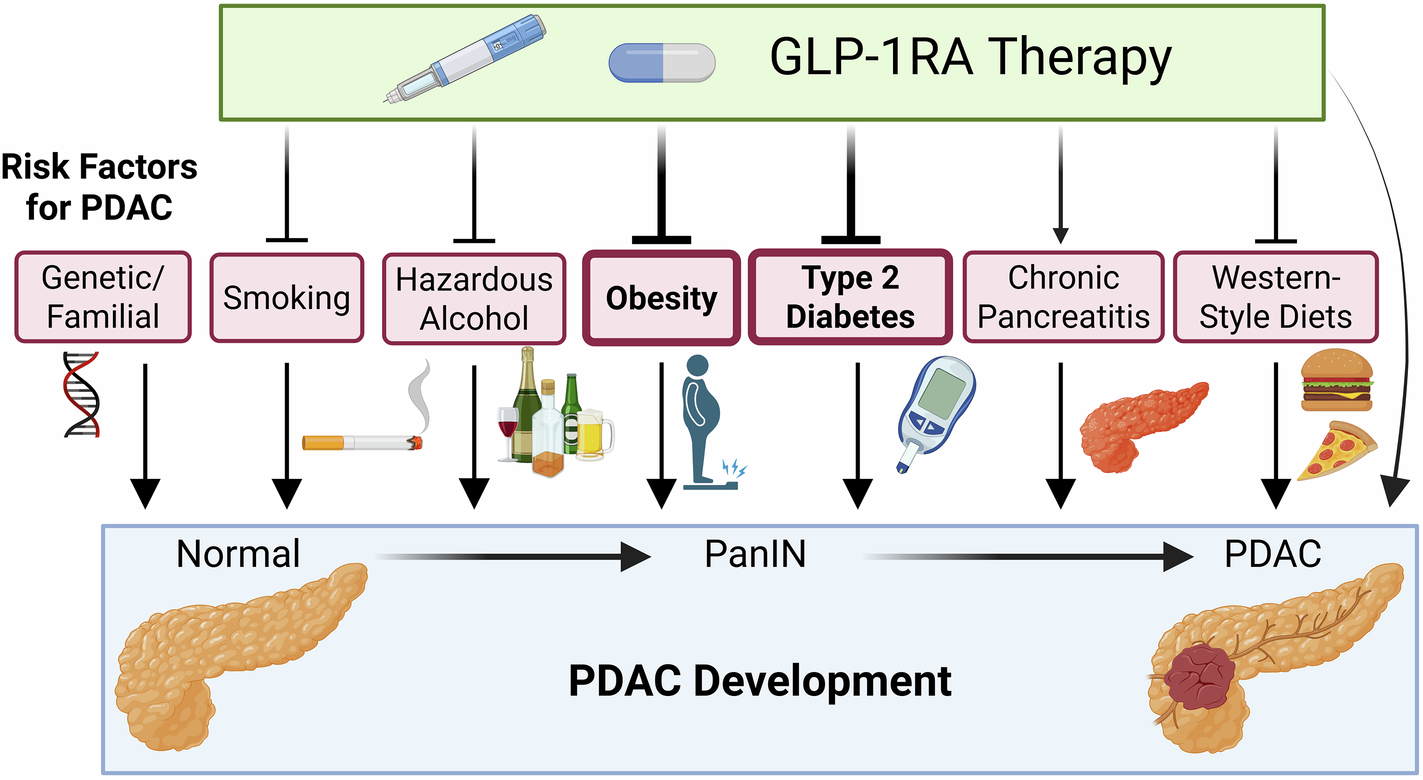
Recent research has raised concerns about a potential association between GLP-1 receptor agonist (GLP-1 RA) therapies and an increased risk of pancreatic cancer. These medications, widely prescribed for type 2 diabetes and weight management, work by mimicking the effects of the GLP-1 hormone. Studies have begun to investigate this possible link, examining data from patient populations using these drugs. While the findings are preliminary, they warrant further investigation to understand the implications for patient safety. The medical community is closely monitoring this developing area of research. It is important for patients currently using GLP-1 RAs to discuss any concerns with their healthcare providers. Doctors will weigh the benefits of these medications against any potential risks. Further large-scale studies are needed to confirm or refute this association. The long-term effects of GLP-1 RAs are still being evaluated.
The emergence of potential safety signals for widely used GLP-1 receptor agonists necessitates a careful, evidence-based approach. While preliminary findings suggest a possible link to pancreatic cancer, it is crucial to avoid premature conclusions. The complexity of patient populations using these drugs, often with pre-existing conditions like diabetes and obesity, means that confounding factors must be rigorously controlled in future studies. The pharmaceutical industry and regulatory bodies face the challenge of balancing the significant therapeutic benefits of GLP-1 RAs against any emerging risks. Future research should focus on elucidating biological mechanisms and conducting long-term, large-scale epidemiological studies to provide definitive answers. This situation highlights the ongoing need for robust pharmacovigilance systems to monitor drug safety throughout their lifecycle.
AI-generated to prompt reflection — not editorial opinion, not advice, not a statement of fact. How this works.