Pancreatic Cancer: Why This Deadly Tumor Is Often Diagnosed Too Late
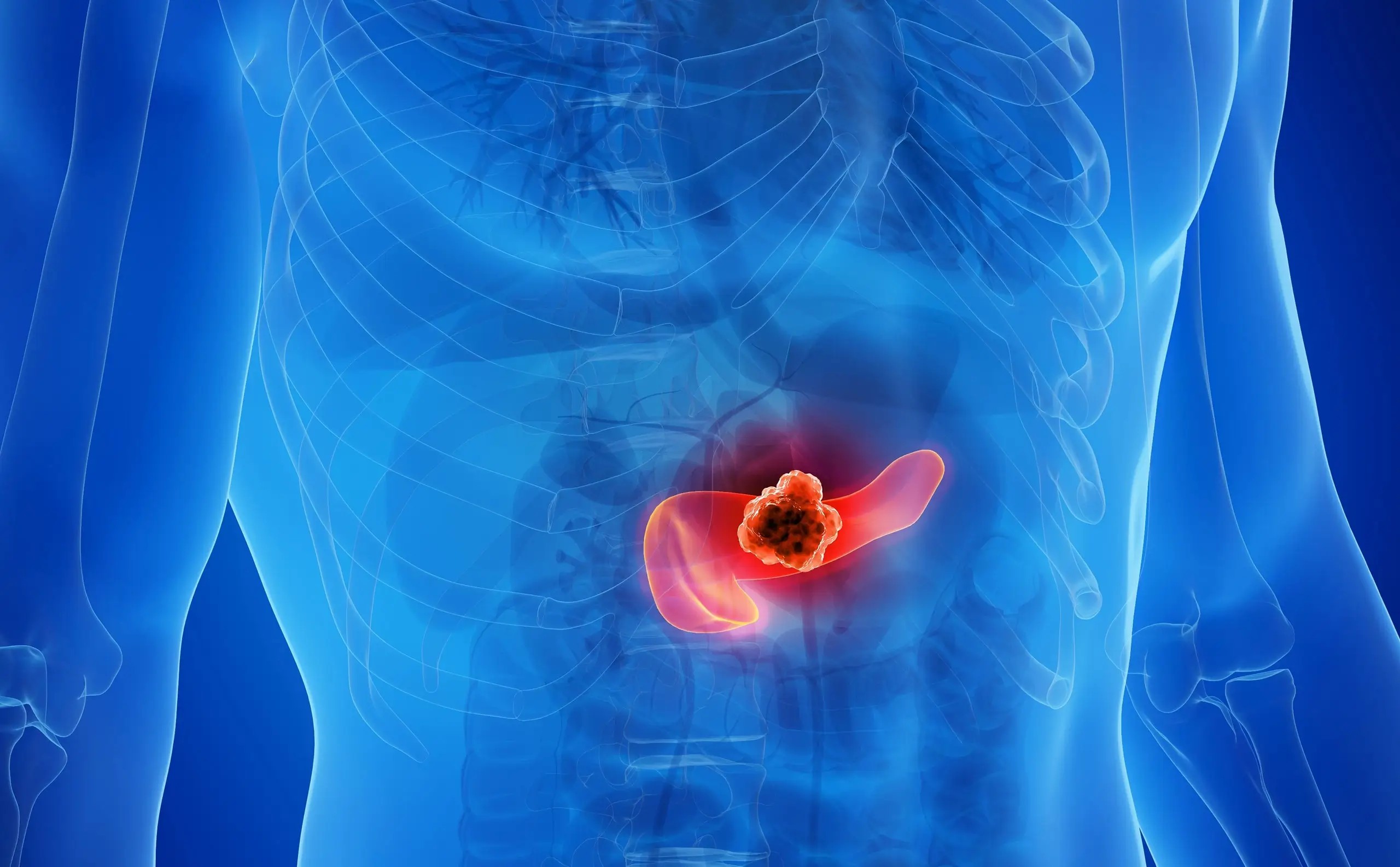
Pancreatic cancer, despite being diagnosed in a small percentage of cancer cases in Brazil, accounts for a disproportionately high number of deaths. In Brazil, over 13,000 new cases are projected annually between 2026 and 2028, representing about 1% of all cancer diagnoses but 5% of cancer fatalities. The five-year survival rate in the United States is a stark 12.8%, plummeting to 3% when the cancer has metastasized, compared to 44% when detected early and localized. This significant survival gap underscores the critical challenge in diagnosing pancreatic cancer effectively.
The pancreas's deep anatomical location, nestled between the spine and stomach and surrounded by major abdominal blood vessels, makes tumors difficult to detect early. This proximity allows cancerous growths to quickly invade vital arteries and veins, facilitating metastasis before any noticeable symptoms arise. Consequently, fewer than 30% of patients are candidates for surgery, the only potentially curative treatment. For others, treatment focuses on managing the disease with chemotherapy and targeted therapies.
Symptoms are often vague and non-specific, leading to delayed diagnosis. Common signs like abdominal pain, weight loss, loss of appetite, and fatigue are easily attributed to more benign conditions such as gastritis or stress. These non-specific symptoms, experienced by a large majority of patients, are often dismissed until a more definitive sign, like jaundice, appears. Jaundice occurs when a tumor obstructs the bile duct, causing bile to back up into the bloodstream, leading to yellowing of the skin and eyes, intense itching, dark urine, and pale, fatty stools. While jaundice is a critical warning sign, it typically indicates advanced disease.
Unlike other cancers, there is no routine screening test for pancreatic cancer due to the lack of a simple, accurate, and widely applicable screening method that demonstrably improves patient outcomes. While MRI can detect tumors, its use in asymptomatic individuals leads to a high rate of false positives and unnecessary biopsies, overwhelming healthcare resources. Reducing risk factors like smoking, excessive alcohol consumption, and maintaining a healthy lifestyle are recommended, though they do not eliminate the risk entirely.
However, screening is recommended for high-risk individuals, including those with a family history of pancreatic cancer (two or more first-degree relatives increase risk significantly) or specific genetic syndromes. These individuals undergo annual imaging and genetic testing. While diagnostic methods lag, treatment has advanced, with new therapies like daraxonrasib showing promise in extending median overall survival from 6.7 months to 13.2 months in clinical trials.
The diagnostic challenge of pancreatic cancer stems from a confluence of anatomical, symptomatic, and screening limitations. Its deep-seated location and the non-specific nature of early symptoms mean that by the time a definitive sign like jaundice appears, the disease is often advanced, severely limiting curative surgical options. The absence of a reliable, population-wide screening tool, unlike mammography or colonoscopy, means that diagnosis relies heavily on symptomatic presentation or targeted screening for high-risk groups. While therapeutic advancements are showing promise in extending survival, the fundamental issue remains early detection. Future strategies may need to explore novel imaging techniques, liquid biopsies, or advanced AI-driven pattern recognition in medical records to identify at-risk individuals or subtle early signs before they become clinically apparent, thereby shifting the treatment paradigm from palliation to early intervention.
AI-generated to prompt reflection — not editorial opinion, not advice, not a statement of fact. How this works.