Pangas Dominates Catches Despite Hilsa Season in Padma-Meghna Rivers
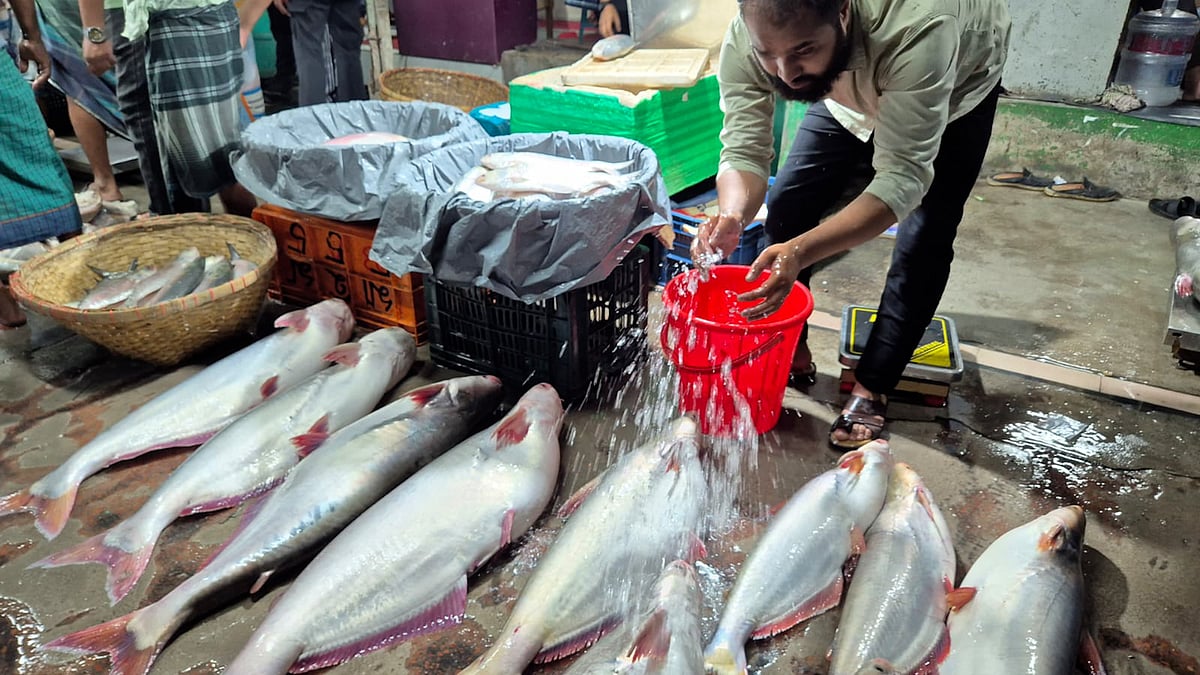
Fishermen in the Padma and Meghna rivers are reporting an unusual catch during the peak hilsa season, with large pangas fish increasingly appearing in their nets instead of the prized hilsa. This trend has become prominent in the current fishing season, despite expectations of a high yield of hilsa. The significant presence of pangas, some of considerable size, suggests a shift in the riverine ecosystem or fishing patterns. Local fishermen are observing this phenomenon closely as it impacts their traditional catches and livelihoods. The abundance of pangas raises questions about the health of the fish populations and the environmental factors influencing their distribution. Further investigation into the ecological dynamics of the Padma and Meghna rivers may be needed to understand this change in fish composition. The situation highlights the variability in natural resources and the challenges faced by fishing communities.
The shift in fish catches from hilsa to pangas in the Padma and Meghna rivers during the hilsa season indicates a potential ecological imbalance or a change in species migration patterns. This could be influenced by environmental factors such as water temperature, pollution levels, or overfishing of certain species, affecting the food chain and habitat suitability. Understanding these dynamics is crucial for sustainable fisheries management. The economic implications for fishermen, who rely on hilsa for their livelihood, warrant attention, as does the long-term impact on biodiversity within these vital river systems. Future research should focus on identifying the specific environmental drivers behind this phenomenon to inform conservation strategies and ensure the resilience of the aquatic ecosystem.
AI-generated to prompt reflection — not editorial opinion, not advice, not a statement of fact. How this works.