Pantanal Artisans Blend Tradition with Income Opportunities at MS Tech Fair
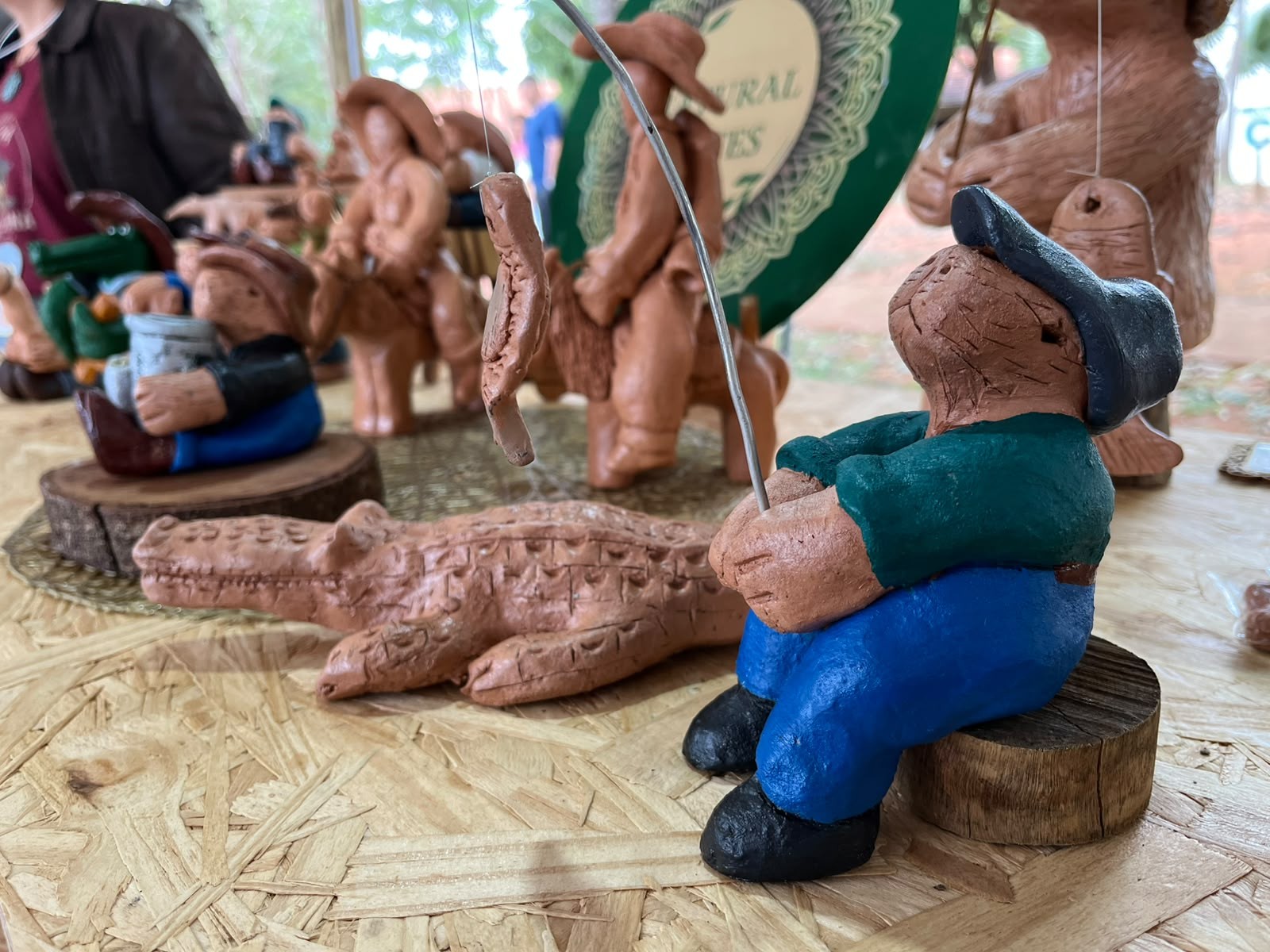
The third edition of Pantanal Tech MS, held in Aquidauana from March 3rd to 5th, is showcasing more than just technological advancements in agriculture. Artisans from various regions of Mato Grosso do Sul are utilizing the event to promote their work, attract new customers, and preserve the unique culture of the Pantanal region. A dedicated space for the creative economy features leather goods, ceramics, paintings, and regional food products that embody the Pantanal's identity. This initiative aims to elevate artisanal production while simultaneously boosting tourism and generating income for local communities.
Among the participants is Rosana Benites da Rosa, an artisan from Ladário who has been working with leather for a decade. She specializes in creating bags, earrings, keychains, belts, and decorative pieces entirely by hand, often repurposing leather scraps. Rosana highlighted that her creativity drives her designs, and she incorporates leather details as her signature element. She expressed great satisfaction with her experience at Pantanal Tech, noting strong sales and positive feedback, finding her craft to be a source of tranquility and inspiration.
Cassandra Corrêa, an Aquidauana-based artisan, is a returning exhibitor at Pantanal Tech, having participated in all previous editions. Her ceramic pieces, inspired by Pantanal wildlife and traditions, feature animals like capybaras and caimans in playful, colorful designs. This family-influenced craft complements her income, and she views Pantanal Tech as a significant platform for local tourism and entrepreneurship. The event, hosted at the State University of Mato Grosso do Sul (UEMS), integrates science, technology, sustainability, and the creative economy, offering a broad program that includes technological showcases, regional cuisine, and cultural exhibits to connect researchers, producers, entrepreneurs, and the public.
The Pantanal Tech MS event strategically integrates cultural preservation with economic development, creating a symbiotic relationship between traditional crafts and modern commerce. By providing a platform for local artisans, the fair not only generates immediate income but also fosters the long-term viability of heritage crafts in a globalized market. This approach addresses the systemic challenge of maintaining cultural identity while pursuing economic growth, particularly in regions rich in natural and cultural heritage. The event's success hinges on its ability to connect local producers with broader markets and tourism opportunities, thereby creating a sustainable economic model that values cultural capital. Future iterations could explore digital platforms to further extend the reach of these artisans beyond the physical event, ensuring continued engagement and market access in an increasingly digital world.
AI-generated to prompt reflection — not editorial opinion, not advice, not a statement of fact. How this works.