Pantanal Tech 2026: Third Edition to Focus on Technology, Innovation, and Sustainability
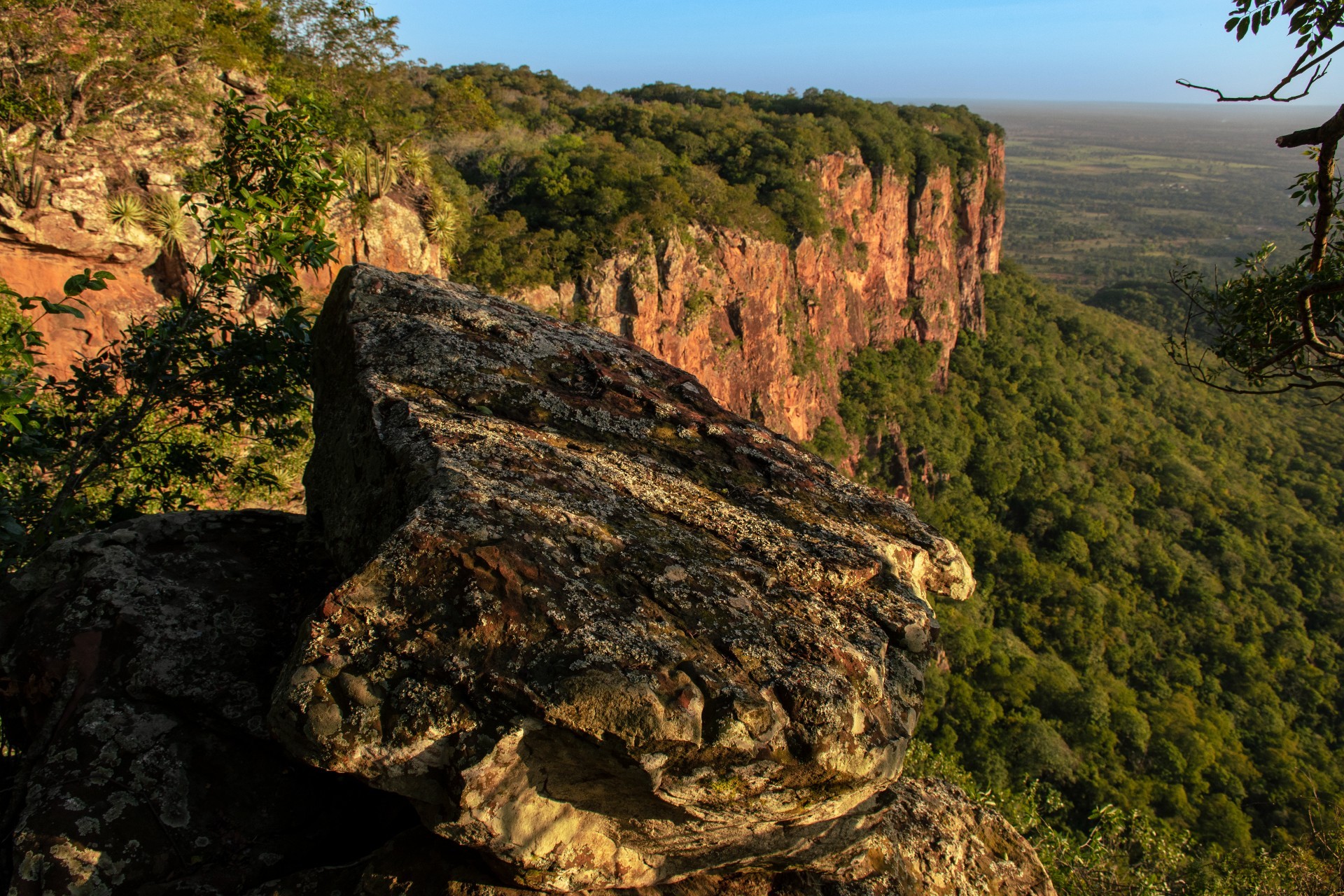
The third edition of Pantanal Tech MS is scheduled to take place from July 3 to 5, 2026, in Aquidauana, Mato Grosso do Sul. This significant event aims to bring together technology, innovation, sustainable production, and free public services. The program will feature 25 technological showcases and utilize over 80 hectares for exhibitions, with a strong emphasis on bolstering agribusiness, family farming, the bioeconomy, and the preservation of the Pantanal biome. The core objective is to bridge research, technology, and innovation to foster solutions beneficial to agribusiness and the bioeconomy. This initiative seeks to translate knowledge into practical applications that enhance productivity, create income, and drive sustainable development across Mato Grosso do Sul. Family farming will receive considerable attention, recognizing its crucial role in food production for the state, job creation, and rural community strengthening. The event also champions environmentally responsible production, promoting low-impact practices that align with the Pantanal Law, thereby balancing rural output with biome conservation. Beyond its technical agenda, Pantanal Tech MS 2026 will highlight Mato Grosso do Sul's tourism and cultural appeal, including the Pantanal itself, waterfalls, clear rivers, and diverse fish species, supporting nature, adventure, and sport fishing tourism. Additionally, the event will provide free services through the MS Cidadão and UEMS na Comunidade programs, offering document issuance, legal guidance, and preventive health screenings via mobile units to ensure accessibility, especially for local residents.
Pantanal Tech MS 2026 positions itself as a nexus for technological advancement and sustainable development within a critical ecological zone. By integrating agribusiness, bioeconomy, and conservation, the event seeks to create a symbiotic relationship between economic growth and environmental stewardship. The focus on practical applications of research and innovation suggests an effort to address regional development challenges through market-driven solutions. The inclusion of public services underscores a commitment to social equity alongside economic progress. Looking ahead, the success of such initiatives will likely depend on their ability to foster long-term, scalable solutions that can adapt to evolving environmental regulations and technological landscapes, ensuring that economic diversification does not compromise the ecological integrity of the Pantanal.
AI-generated to prompt reflection — not editorial opinion, not advice, not a statement of fact. How this works.