Papaya Seeds: Nutritional Benefits and Potential Risks
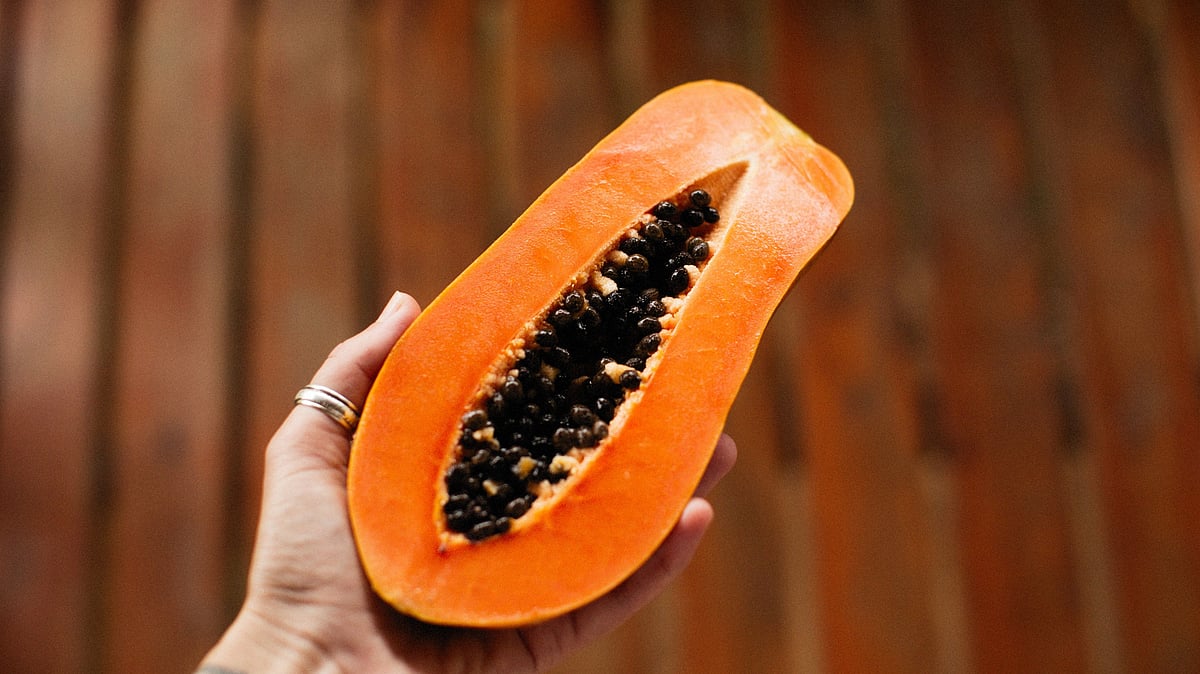
Papaya seeds, often discarded after consuming the fruit, are edible and rich in nutrients. They contain dietary fiber, healthy fatty acids, and beneficial plant compounds like polyphenols and flavonoids. These components offer various health advantages, but excessive consumption is not advised. Therefore, it is important to understand their nutritional value, potential benefits, and precautions before adding them to one's diet.
The seeds are a good source of micronutrients, including polyphenols and flavonoids, which act as antioxidants. These powerful antioxidants help protect body cells from free radical damage, potentially reducing the risk of chronic diseases. Additionally, papaya seeds contain monounsaturated fatty acids like oleic acid. Research suggests that diets rich in these fatty acids may help lower triglyceride and very-low-density lipoprotein (VLDL) cholesterol levels in individuals with type-2 diabetes. The fiber content in papaya seeds also aids in blood pressure and cholesterol regulation, and may reduce the risk of heart disease, stroke, diabetes, and obesity.
Studies indicate that papaya seeds may possess properties to combat infections, with research showing they can destroy certain fungi and parasites. One study found a drink made from dried papaya seeds and honey to be more effective than a placebo in eliminating intestinal parasites, though larger studies are needed to confirm this. Phytochemicals in papaya seeds might also play a role in kidney protection, potentially preventing paracetamol-induced kidney damage, and their antioxidant content can combat oxidative cell damage. Preliminary lab research suggests papaya seed extracts may slow cancer cell growth and reduce prostate cancer cell proliferation, but human trials are necessary for confirmation. As a good source of fiber, they can aid digestion, soften stools, and alleviate constipation, while also promoting gut health and reducing the risk of inflammatory bowel diseases. However, some animal studies suggest excessive intake of papaya seed extract could reduce sperm count and motility, and high doses of a compound called benzyl isothiocyanate may damage cells and DNA. Pregnant women are advised to avoid papaya seeds due to their potential contraceptive effects. While papaya seeds offer potential health benefits, much of the evidence is based on lab or animal studies, and excessive consumption may pose risks, making moderate intake the safest approach.
This report highlights the potential health benefits of papaya seeds, including antioxidant, anti-diabetic, anti-parasitic, kidney-protective, anti-cancer, and digestive properties, supported by various studies. However, it also cautions against excessive consumption, citing potential risks such as reduced sperm motility and cellular damage, and notes that much of the evidence is preliminary, often from lab or animal research. The analysis suggests that while papaya seeds may offer a novel dietary supplement, their integration into human diets requires more robust clinical trials to validate efficacy and establish safe dosage guidelines. Future research should focus on human physiology to clarify these benefits and risks, particularly for vulnerable populations like pregnant women, ensuring that potential therapeutic applications are grounded in rigorous scientific evidence rather than extrapolated from limited findings. The report responsibly balances potential upsides with necessary precautions, encouraging informed consumption.
AI-generated to prompt reflection — not editorial opinion, not advice, not a statement of fact. How this works.
