Papua New Guinea Plans Integrated Maritime Transport to Boost Economy
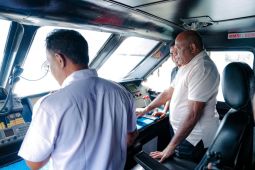
Papua New Guinea is developing an integrated sea transportation system aimed at enhancing regional connectivity and reducing logistics expenses. The initiative seeks to stimulate economic growth by improving the efficiency of maritime trade routes. This strategic move is expected to facilitate smoother movement of goods and people across the archipelago. The government believes that by streamlining sea transport, it can unlock significant economic potential. This could lead to increased trade volumes and greater access to markets for local businesses. The project underscores a commitment to leveraging the country's extensive coastline for economic development. It is anticipated that the improved infrastructure will attract investment and create new employment opportunities. The overall goal is to create a more robust and competitive economy through better transportation networks.
The initiative to develop an integrated sea transportation system in Papua New Guinea reflects a strategic approach to leveraging geographical advantages for economic upliftment. By focusing on maritime logistics, the government aims to address fundamental infrastructure deficits that often hinder developing economies. This plan aligns with global trends of optimizing supply chains and reducing trade friction. The success of this endeavor will likely depend on effective governance, sustainable financing, and the mitigation of potential environmental impacts. Future considerations should include the integration of digital technologies for enhanced efficiency and the long-term resilience of the infrastructure against climate change, ensuring sustained economic benefits.
AI-generated to prompt reflection — not editorial opinion, not advice, not a statement of fact. How this works.