Pará and Maranhão Cultural Grant Program Opens Applications for Popular Culture Masters
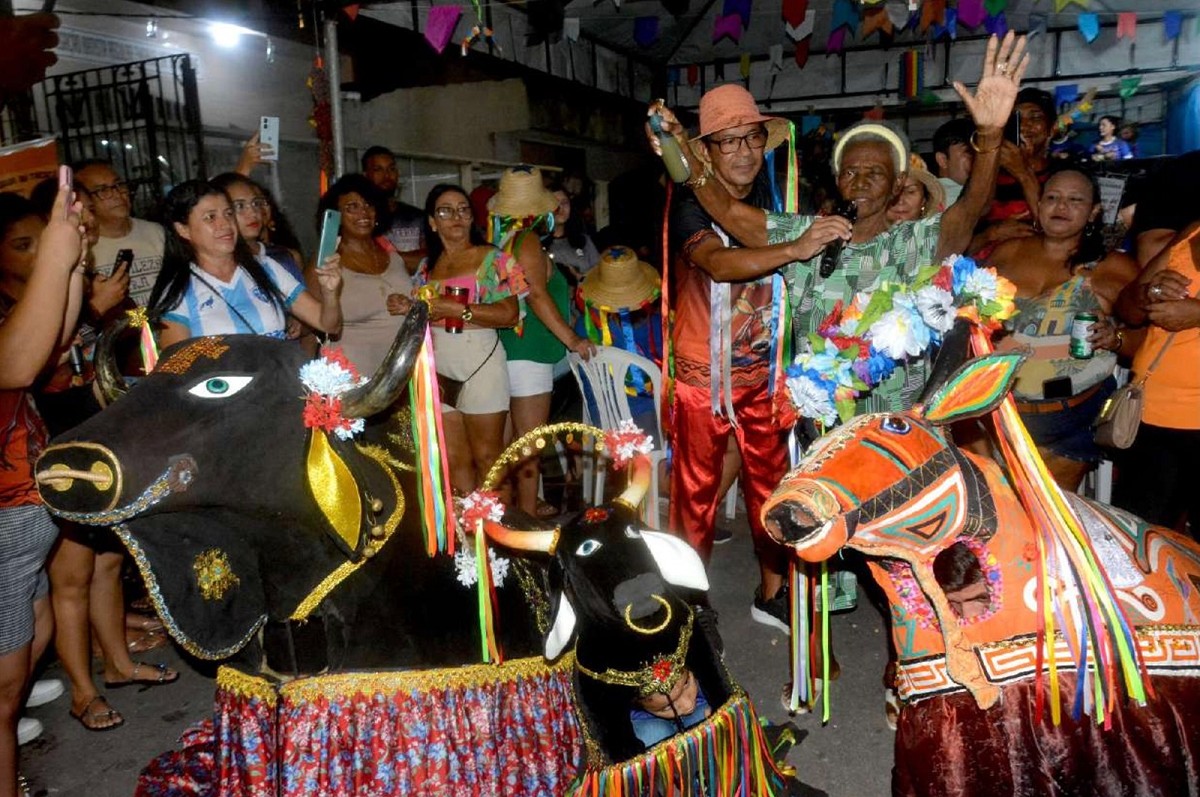
The Instituto Cultural Vale (ICV) has launched the 6th edition of its "Apoia" grant program, inviting popular culture masters and groups from Pará and Maranhão states in Brazil to apply for funding. This initiative aims to recognize and support traditional artists, community groups, and cultural producers. A total of 80 recipients will be selected, with 40 from each state, each receiving R$10,000 to sustain and enhance their cultural activities. The application process is free and conducted online, with submissions accepted until August 14, 2026. The project is a collaboration between the Casa da Cultura de Canaã dos Carajás in Pará and the Centro Cultural Vale Maranhão. The program allocates R$400,000 to each state, totaling R$800,000 invested directly in popular culture. It seeks to celebrate diverse artistic expressions, including music, dance, crafts, traditional festivals, and performances. The "Apoia" grant has become a vital tool for resource decentralization, reaching remote areas and traditional communities. Past recipients, like Letícia Terra, president of the Boi da Terra collective, have used the funds to improve community spaces and expand cultural workshops. Mestra Marineide Juruna highlighted the grant's importance for communities facing environmental challenges and logistical hurdles in the Amazon, particularly empowering women who preserve ancestral knowledge but face bureaucratic barriers. The program emphasizes listening to local territories and ensuring the transmission of intangible heritage to future generations, recognizing that investment in popular culture supports people, stories, and ways of life.
The "Apoia" grant program exemplifies a strategic approach to cultural preservation and community development by directly funding grassroots cultural practitioners. Its design, emphasizing decentralized resource allocation and minimal bureaucracy, addresses systemic challenges faced by traditional artists, particularly in remote or environmentally impacted regions. By focusing on intangible heritage and ancestral knowledge, the program aligns with long-term societal goals of cultural continuity and identity maintenance. The initiative's success hinges on its ability to foster sustainable cultural ecosystems, potentially influencing future policy frameworks for cultural funding by demonstrating the efficacy of direct, community-centered investment. This model offers a scalable solution for safeguarding cultural diversity in the face of modernization and globalization.
AI-generated to prompt reflection — not editorial opinion, not advice, not a statement of fact. How this works.