Pará Court Brings Justice Services to Atalaia Beach During Summer Season
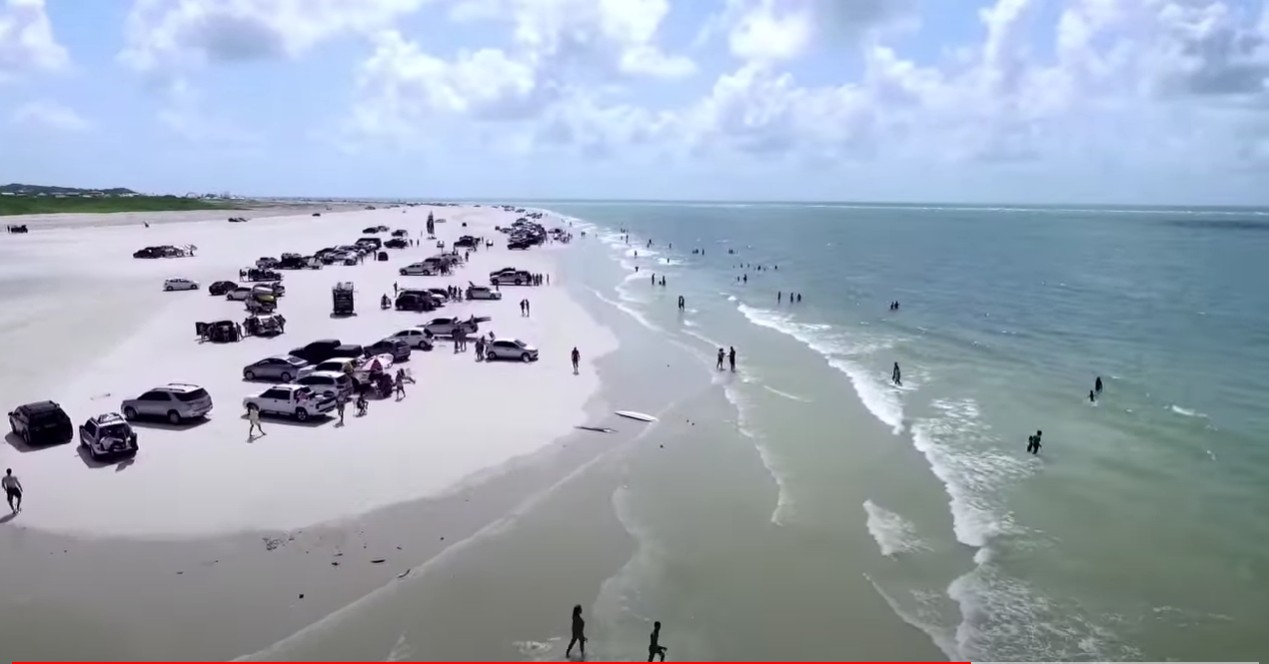
The Judiciary of Pará (TJPA) has launched the "Verão com Justiça e Meio Ambiente" (Summer with Justice and Environment) project, bringing special court services directly to Atalaia Beach in Salinópolis during July weekends. This initiative aims to provide swift judicial attention for minor offenses registered at the popular beach destination. A dedicated unit will operate from the Integrated Command Center (CIC) of the State Secretariat of Public Security and Social Defense (Segup), from 12 PM to 6 PM on July 10-12, 17-19, and 24-26. The project facilitates the direct submission of Terms of Occurrence (TCOs) for minor offenses to the judicial team, enabling preliminary hearings to take place during the "Operação Verão" (Summer Operation) without requiring individuals to travel to the courthouse. Examples of offenses handled include noise pollution, improper waste disposal, vehicle circulation in protected areas, and other environmental infractions, alongside other minor offenses. The TJPA states this measure enhances the speed of incident response, strengthens collaboration among judicial, public security, and environmental agencies, and aids in preventing further violations. This action is a collaborative effort involving the Public Prosecutor's Office of Pará (MPPA), the Public Defender's Office of the State, Segup, the Pará Institute for Forest Development and Biodiversity (Ideflor-Bio), the State Traffic Department (Detran), and the Civil Police. Judge Jacob Arnaldo Campos Farache will oversee the services for the first two weekends, with Judge Ana Lucia Bentes Lynch taking charge on the final weekend. Desembargador Leonardo de Noronha Tavares is providing institutional coordination for the project.
This initiative by the Judiciary of Pará demonstrates a strategic approach to decentralize judicial services, making them more accessible during peak public activity periods. By co-locating with public security and environmental agencies, the project aims to streamline the processing of minor offenses, potentially reducing backlogs and improving compliance with environmental and public order regulations. The success of such programs hinges on effective inter-agency coordination and the capacity to handle a significant volume of cases efficiently. Looking ahead, similar models could be explored for other high-traffic seasonal locations, potentially leveraging technology to further enhance accessibility and administrative efficiency in the judicial system.
AI-generated to prompt reflection — not editorial opinion, not advice, not a statement of fact. How this works.