Pará Festival Showcases Free Theater, Workshops in Santarém
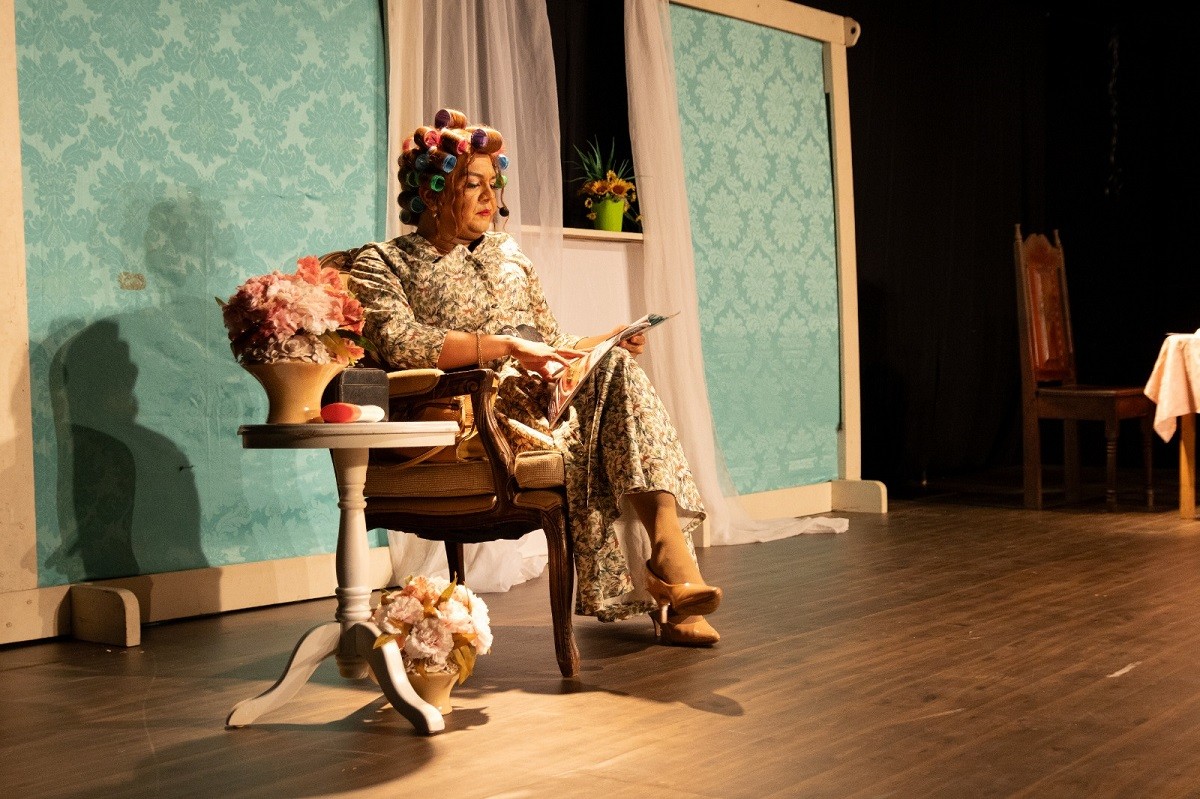
The IV Festival Solos do Pará has announced its official program, scheduled to take place from August 1st to 6th in Santarém, located in the western region of Pará, Brazil. This cultural event will feature theater productions and performances by artists from both Santarém and Belém. Additionally, the festival will offer free workshops, laboratories, and discussion panels at the Rondon campus of the Federal University of the West of Pará (Ufopa). These educational activities are designed for artists, students, and anyone interested in the performing arts. Performances and shows are slated for 8 PM each evening, while the formative activities will occur at various times in the Hélcio Amaral Training Room. All events are free of charge. The festival aims to foster connections between artists and the public, creating opportunities for dialogue and shared experiences. Festival coordinator Elder Aguiar highlighted that the event will include diverse performances from Belém and Santarém, covering various themes, and will feature audience Q&A sessions. Participating artists will also share their creative processes through workshops and talks. To ensure accessibility, simultaneous translation in Libras (Brazilian Sign Language) and audio description will be provided for all activities. The festival is organized by Grupo Olho d'Água, with support from public cultural funding policies, including the Aldir Blanc Law and the Cultura Viva program. The program includes specific events each day, such as vocal performance labs, theatrical shows like 'Majé' and 'Cantario,' and discussions on topics ranging from forest knowledge to theatrical construction.
This festival represents a strategic deployment of public cultural funding, leveraging resources like the Aldir Blanc Law to democratize access to performing arts in Santarém. By offering free spectacles and workshops, the event directly addresses potential barriers to cultural participation, such as cost and geographical accessibility within the Pará region. The inclusion of diverse formats—from traditional theater to performance art and discussion panels—caters to a broad audience and encourages engagement with creative processes. Furthermore, the provision of Libras translation and audio description demonstrates a commitment to inclusivity. Looking ahead, such initiatives are crucial for fostering local artistic ecosystems and ensuring that cultural production is not solely concentrated in major urban centers, thereby promoting a more equitable distribution of cultural capital and opportunity.
AI-generated to prompt reflection — not editorial opinion, not advice, not a statement of fact. How this works.