Pará Governor Inaugurates Samu Central and Donates 20 Ambulances to Baixo Amazonas
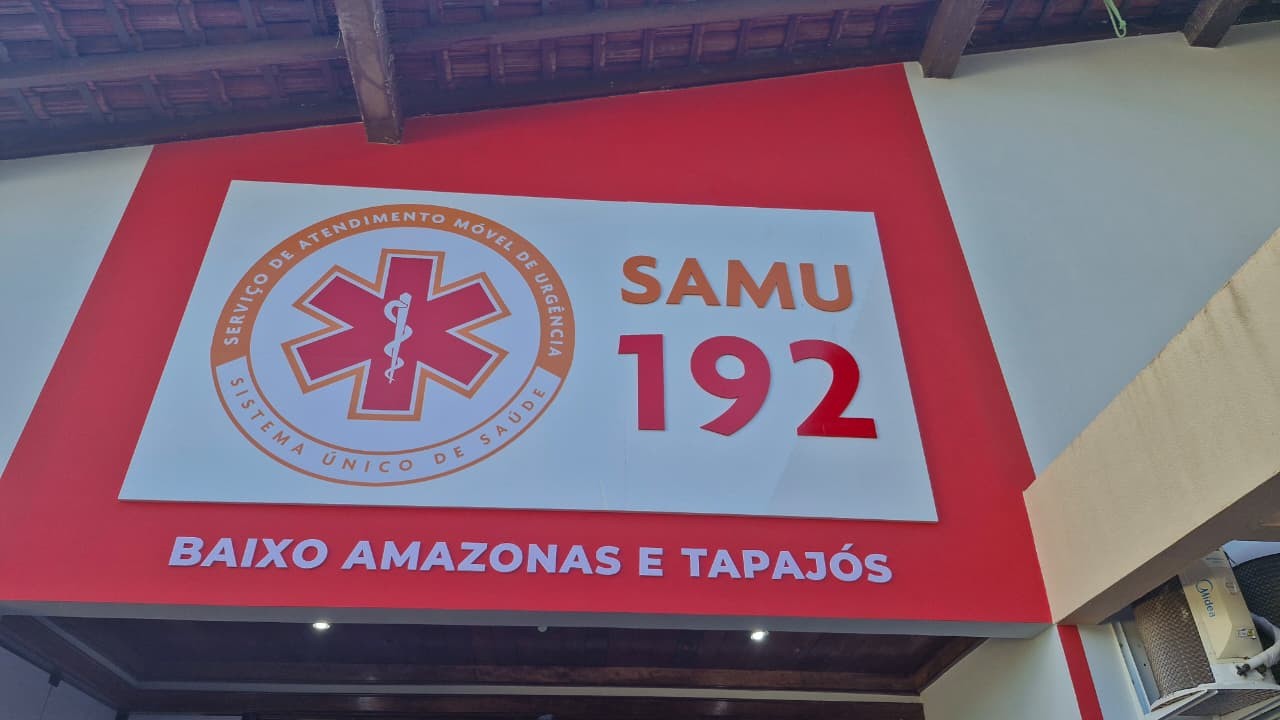
The governor of Pará officially opened the new Mobile Emergency Care Service (Samu) Regulation Center for the Baixo Amazonas and Tapajós regions on Thursday, February 2nd. This new facility will centralize emergency calls from the covered municipalities, aiming to improve the integration of the healthcare network and expedite the dispatch of emergency teams. Alongside the center's inauguration, twenty new ambulances were delivered to enhance pre-hospital care in the region. Santarém received four vehicles, while other municipalities in Baixo Amazonas each received one ambulance, significantly boosting emergency response capabilities. Samu coordinator Júlio Laurido highlighted this as a pivotal moment for regionalizing the service, which was previously managed at the municipal level. The new structure, under the coordination of the State Secretariat of Public Health (Sespa), will enable integrated management of all emergency calls from Baixo Amazonas and Tapajós. Four new ambulances in Santarém will be strategically deployed across the city, including at the Santa Clara base, a UPA, and the Maracanã base, to broaden service coverage. The implementation of the Regional Regulation Center and the updated ambulance fleet are expected to decrease response times, optimize team deployment, and increase the overall efficiency of pre-hospital care for thousands of residents.
The inauguration of this new Samu Regulation Center and the deployment of additional ambulances represent a significant governmental investment in public health infrastructure for the Baixo Amazonas and Tapajós regions. By centralizing emergency dispatch and augmenting the fleet, the initiative addresses critical needs for improved response times and service integration. This move toward regionalization, shifting from municipal to state-level coordination, reflects a broader trend in public administration to achieve economies of scale and enhance efficiency in essential services. Looking ahead, the success of this model will depend on sustained funding, effective inter-municipal collaboration, and the integration of advanced technological solutions for real-time monitoring and resource allocation. The long-term impact will be measured by demonstrable improvements in patient outcomes and the equitable distribution of emergency medical resources across diverse geographical areas.
AI-generated to prompt reflection — not editorial opinion, not advice, not a statement of fact. How this works.