Pará Political Parties Set Convention Dates for 2026 Election Candidates
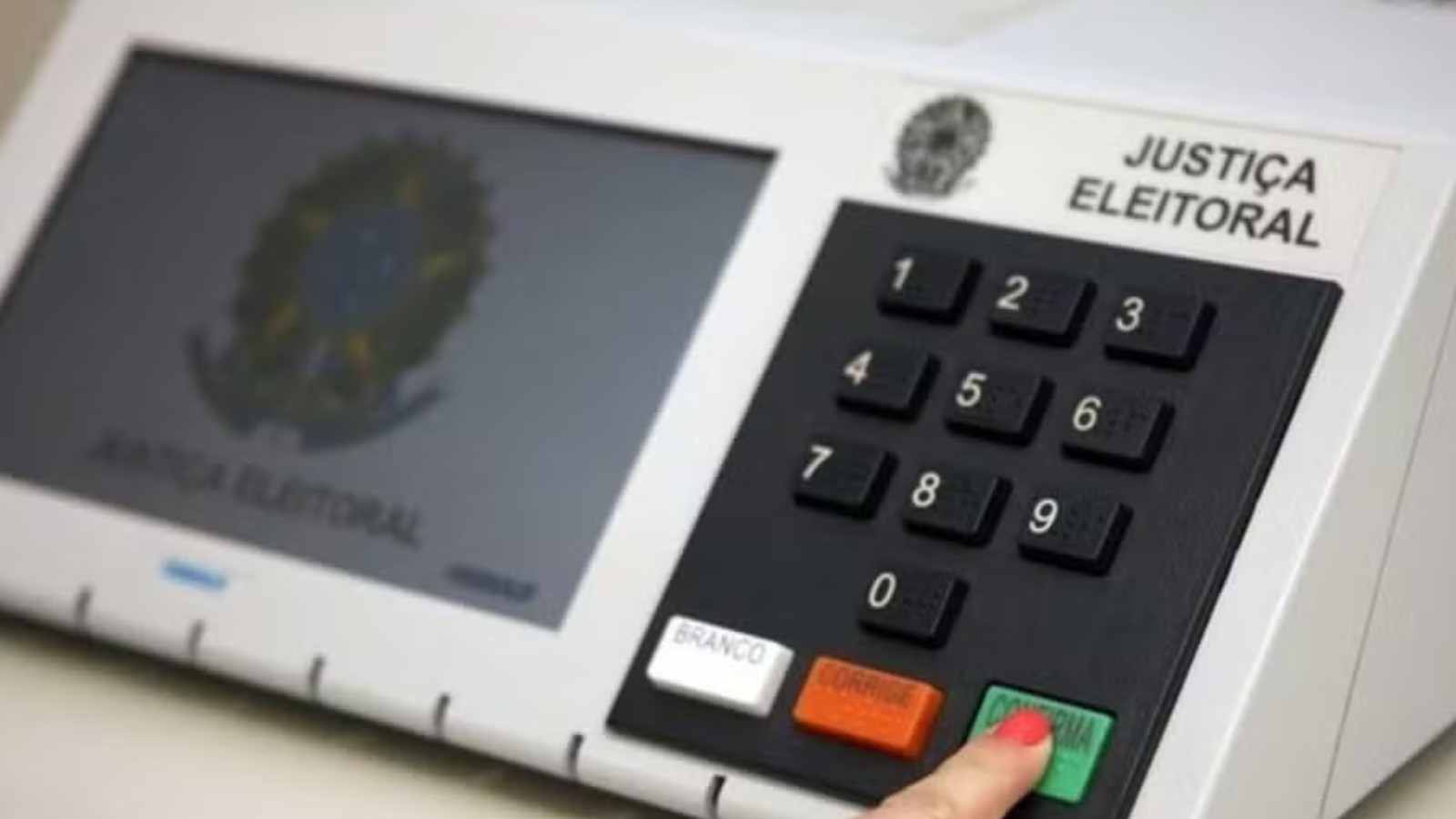
Political parties in Pará, Brazil, have begun setting dates for their conventions, which are crucial events for officially nominating candidates and forming alliances for the 2026 general elections. The convention period commenced on Monday, July 20, and will extend until August 5. At least 15 parties in Pará have already announced their specific convention dates, with most meetings scheduled to take place in Belém. These conventions are where party members deliberate and decide on candidates for various positions, including President, Governor, Senator (two seats per state), Federal Deputy, and State/District Deputy. Parties have the autonomy to choose the format of their conventions, opting for in-person, virtual, or hybrid gatherings. For party federations, which involve multiple parties acting jointly for at least four years, conventions are held collectively. The article lists the scheduled dates for several parties and federations, including MISSÃO, AGIR, PDT, PSDB/CIDADANIA, PP, UNIÃO BRASIL, AVANTE, PSD, UP, PSTU, MDB, PT/PCdoB/PV, NOVO, PODEMOS, and PSOL/REDE. Following these conventions, the nominated candidates must be registered with the Electoral Justice by August 15. The official election campaign period will then begin on August 16, allowing for public campaigning and events. Some parties, such as Democrata, PRD/Solidariedade, PSB, and PL, are still determining their convention dates, while Mobiliza, Democracia Cristã (DC), and Republicanos had not yet responded.
The defined timeline for party conventions and candidate registration underscores the structured electoral process in Brazil, designed to provide clarity and legitimacy to the upcoming 2026 elections. The autonomy granted to parties in choosing convention formats reflects a balance between tradition and modern logistical capabilities, potentially influencing participation and accessibility. As parties solidify their candidacies, the focus will shift to alliance-building and campaign strategies, navigating the complex political landscape. Future electoral cycles may see further evolution in how these foundational processes are managed, particularly with advancements in digital engagement and the increasing importance of transparent governance in public perception.
AI-generated to prompt reflection — not editorial opinion, not advice, not a statement of fact. How this works.