Pará Residents Face Potential 7.6% Electricity Bill Hike
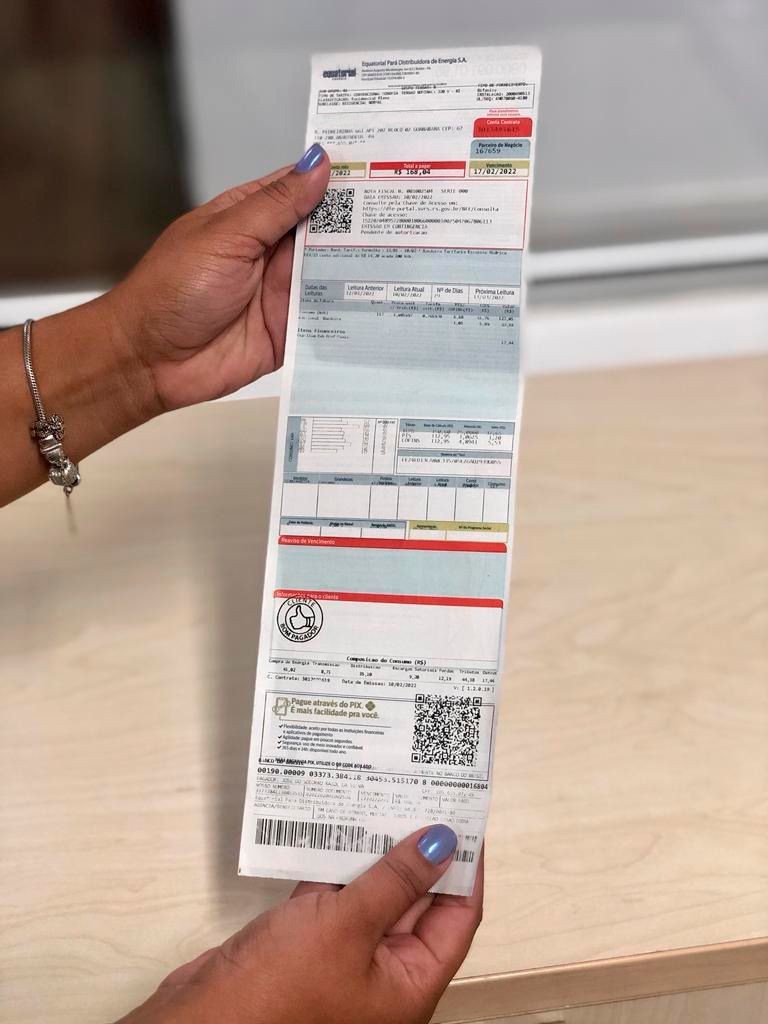
The National Electric Energy Agency (Aneel) is set to decide on Tuesday, June 4th, whether to approve an annual tariff adjustment for Equatorial Pará, which could lead to an average increase of 7.6% for consumers in the state. This proposed hike is influenced by several factors beyond the direct costs of energy distribution. A significant portion of electricity bills, approximately 61%, is attributed to what Aneel terms 'Parcela A,' encompassing costs like energy procurement, transmission line usage, and sector-specific charges funding public policies. This year, these costs have been the primary drivers of the proposed increase, with energy purchases being the largest contributor, followed by sector charges and transmission expenses. The remaining 39% of the tariff, known as 'Parcela B,' covers the distributor's operational expenses, such as network maintenance and customer service. These operational costs have actually helped to mitigate the overall tariff adjustment this year. The potential average increase could have been over 13%, but it was reduced to 7.6% following the early allocation of R$500 million from Public Asset Usage (UBP) funds, intended to lessen the impact on consumer bills. If approved, residential consumers will see an average increase of 7.4%, while high-tension consumers, including industries and large businesses, face an average rise of 8.42%. These new tariffs are scheduled to take effect on Friday, June 7th. The Inter-union Department of Statistics and Socioeconomic Studies (Dieese-PA) warns that this adjustment will likely increase the cost of living in Pará, as higher energy costs may be passed on to consumers through increased prices for goods and services. Equatorial Pará stated that tariff setting is Aneel's responsibility and that it will implement the approved rates.
The proposed electricity tariff adjustment in Pará highlights the complex interplay of regulatory frameworks, energy market dynamics, and consumer affordability. The significant portion of the bill attributed to 'Parcela A' suggests that factors external to the local distribution company, such as energy purchasing costs and transmission infrastructure, exert substantial influence on consumer prices. The use of public funds to cushion the tariff increase indicates a governmental effort to balance energy sector financial sustainability with social equity concerns. Looking ahead, the increasing reliance on energy for economic activity and the ongoing transition to cleaner energy sources may necessitate innovative regulatory approaches to ensure stable and predictable pricing, while also addressing the potential inflationary impact on households and businesses in the coming decade.
AI-generated to prompt reflection — not editorial opinion, not advice, not a statement of fact. How this works.
