Pará State Agency Educates Public on Food Safety During July Holiday
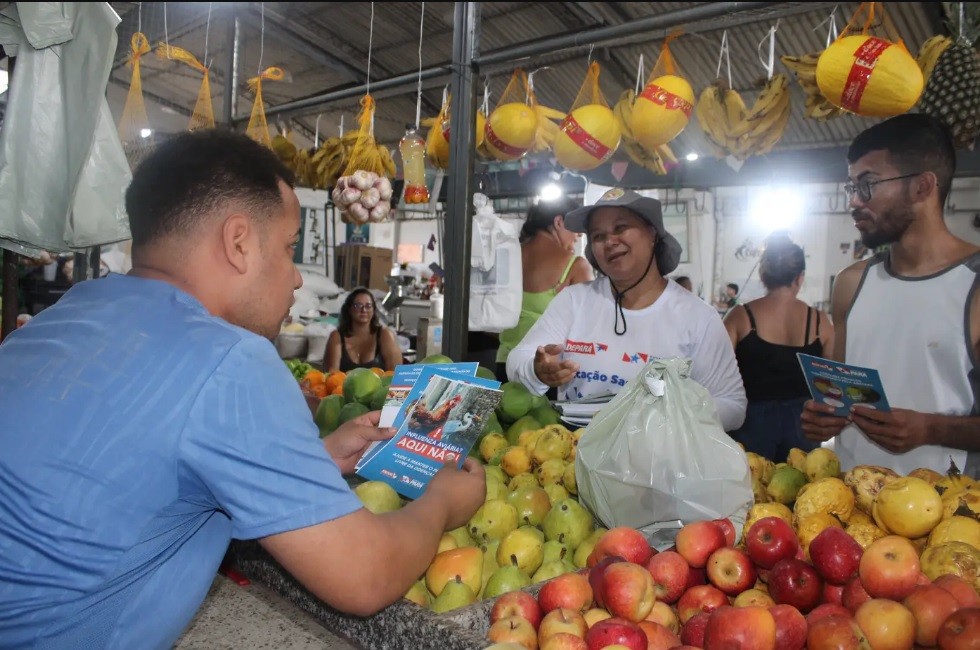
The Pará State Agency for Agricultural Defense (Adepará) is launching educational initiatives across nine municipalities in Pará during the July holiday weekends. The campaign aims to inform tourists and residents about safe food purchasing practices, particularly for animal and plant-based products. Key advice includes checking for official inspection seals, such as SIE, SIM, and Sisbi, which verify sanitary controls. Consumers are urged to buy from regulated establishments and ensure proper storage and preservation of food items. The agency also emphasizes avoiding contact with sick or dead birds due to potential avian influenza risks. Individuals spotting birds suspected of carrying the virus should report it to official channels for investigation. Adepará teams will be present at beaches, fairs, and ports to guide the public on notification procedures and preventive measures. The program seeks to enhance public participation in disease prevention by educating people on safe practices and strengthening a network of participatory surveillance with the support of partner institutions and community leaders. The initiative targets not only tourists but also local vendors, fishermen, merchants, and transporters to ensure widespread awareness.
This initiative by Adepará highlights the critical intersection of public health, tourism, and agricultural safety during peak travel seasons. By focusing on consumer education and participatory surveillance, the agency aims to mitigate risks associated with foodborne illnesses and zoonotic diseases, such as avian influenza. The strategy acknowledges that increased human and goods mobility during holidays necessitates proactive public health measures. Future-oriented approaches could involve leveraging digital platforms for real-time information dissemination and integrating advanced traceability technologies into the food supply chain to bolster consumer confidence and regulatory oversight, especially as AI-driven analytics become more prevalent in monitoring public health trends.
AI-generated to prompt reflection — not editorial opinion, not advice, not a statement of fact. How this works.