Pará State, Brazil: At Least 10 Potential Candidates Emerge for 2026 Senate Race
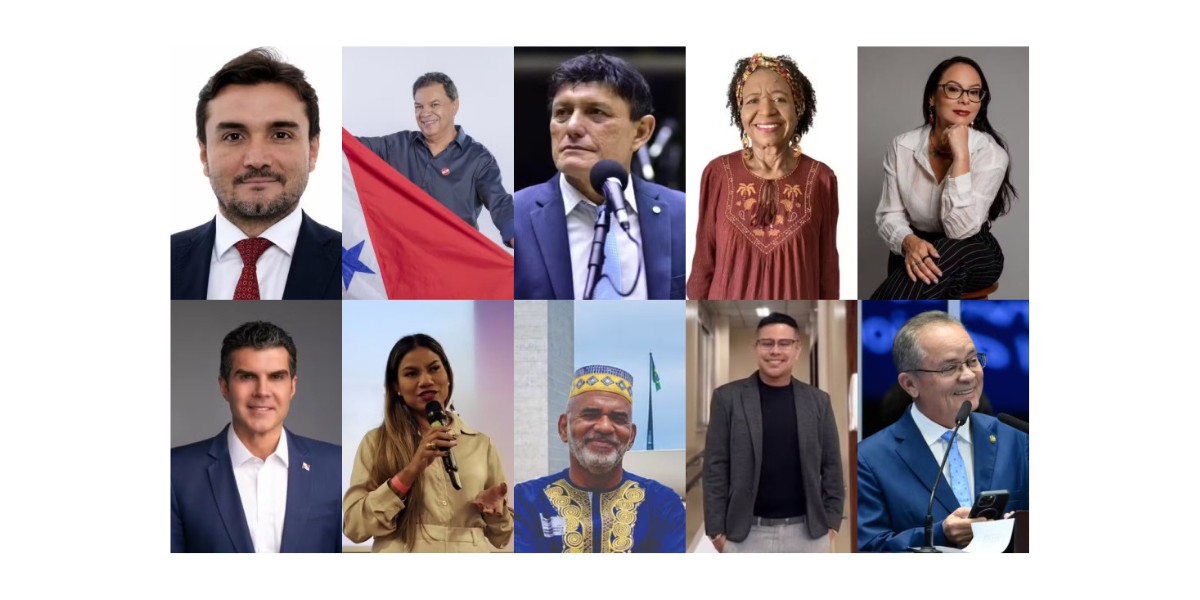
With the general elections in Brazil just under 100 days away on October 4, 2026, the state of Pará has at least 10 declared pre-candidates vying for seats in the Federal Senate. The Brazilian Senate serves eight-year terms, and each state, along with the Federal District, is represented by three senators. In 2026, the terms of two of Pará's three current senators will conclude, meaning voters in the state will cast two votes for the Senate in the first round of elections. The incumbent senators whose terms are ending are Jader Barbalho (MDB) and Zequinha Marinho (PODE). All potential candidates must have their candidacies officially confirmed at party conventions, scheduled between July 20 and August 5, with the final registration deadline with the Electoral Justice system set for August 15. Until this date, all individuals are considered pre-candidates, and the political landscape may shift. Among the notable pre-candidates are Celso Sabino (PDT), a federal deputy and former Minister of Tourism; Chicão (União Brasil), current state deputy and president of the Legislative Assembly of Pará; Éder Mauro (PL), a federal deputy with over 30 years as a Civil Police delegate; Gal Leite (UP), a union activist and retired social assistance worker; Gizelle Freitas (PSOL), a social worker and former city councilor in Belém; Helder Barbalho (MDB), the current governor of Pará, who has previously served as a federal minister and mayor; Lívia Noronha (Solidariedade), a professor and former municipal secretary of Human Rights; Marcelino Conti (PSOL), a scientist and public management specialist; Orleans Santos (REDE), a lawyer and former municipal secretary of Agriculture; and Zequinha Marinho (Podemos), the incumbent senator, who has had a long career in state and federal politics, including serving as vice-governor.
The emergence of multiple pre-candidates for the Federal Senate in Pará signals a dynamic political environment ahead of the 2026 elections. The dual Senate vote requirement in Pará, due to two incumbent terms ending, amplifies the strategic importance of these races for party influence and legislative power. Candidates are positioning themselves by highlighting their legislative experience, executive roles, and focus on regional development, social issues, and conservative values, reflecting diverse constituent interests. The upcoming party conventions and final registration deadlines will be critical junctures, potentially reshaping alliances and candidate viability based on internal party dynamics and broader electoral strategies. This period of pre-candidacy allows for public scrutiny and debate, contributing to the democratic process by informing voters about the platforms and backgrounds of those seeking representation.
AI-generated to prompt reflection — not editorial opinion, not advice, not a statement of fact. How this works.