Pará State Elections 2026: Five Pre-Candidates Emerge for Governor
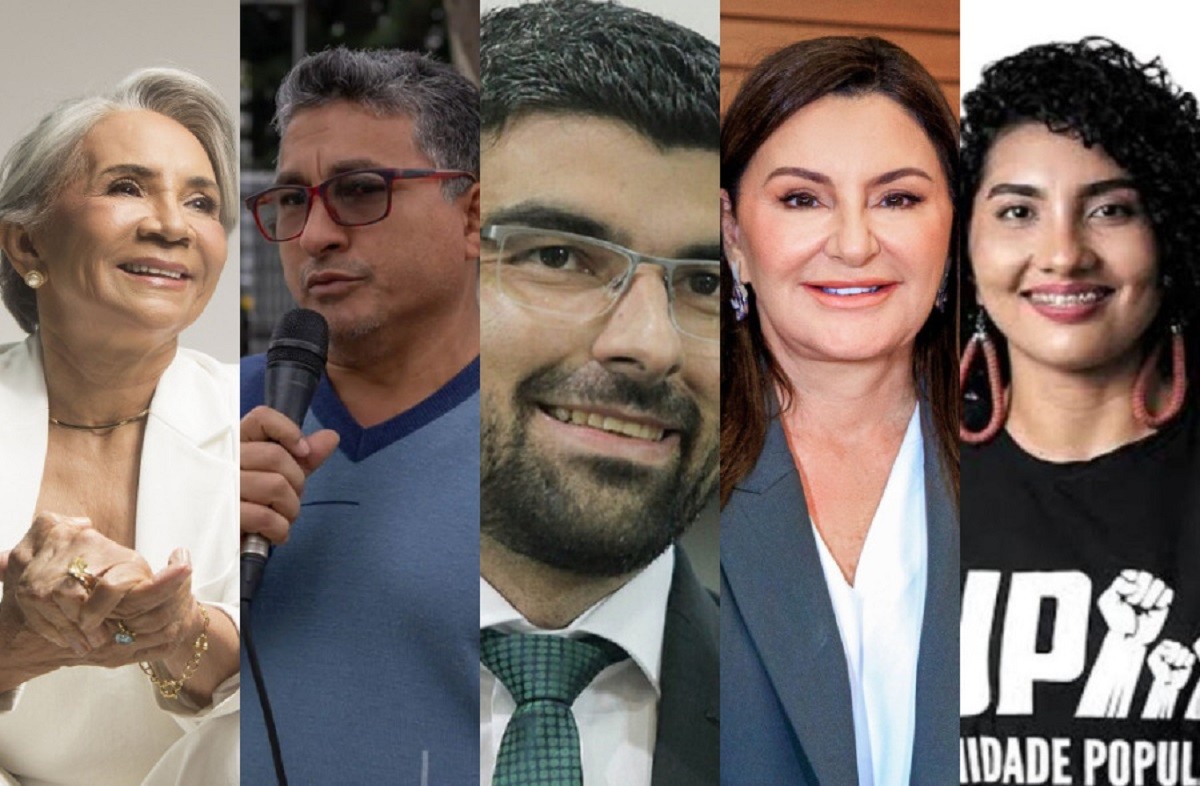
Pará, Brazil, is gearing up for its 2026 gubernatorial elections, with at least five individuals having announced their pre-candidacies. The first round of voting is scheduled for October 4, 2026, with a potential second round on October 25. Pre-candidacy signifies an intention to run, but official confirmation hinges on party conventions, which run from July 20 to August 5, followed by candidate registration with the Electoral Justice by August 15. The political landscape remains fluid and subject to change before the final deadline.
Among the pre-candidates are Araceli Lemos (PSOL), an educator and feminist activist who previously served as the state's most-voted female state representative. Cléber Rabelo (PSTU), a 53-year-old electrician and union leader, brings experience as a former city councilor in Belém and has previously run for governor. Daniel Santos (PODEMOS), a 39-year-old doctor, has held positions as mayor of Ananindeua, city councilor, and state representative. Hana Ghassan (MDB), a 36-year-old tax auditor with extensive public service experience, has held key roles in state planning and finance, and led efforts for the COP30 summit and against feminicide. Lastly, Raquel Brício (UP) is a long-time activist and union leader, founder of the Olga Benario Women's Movement and the Popular Unity party, who has previously run for state representative and mayor of Belém.
The emergence of multiple pre-candidates for the Pará governorship highlights the competitive dynamics within the state's political arena. The diverse backgrounds of these individuals—ranging from established politicians and union leaders to public administrators and activists—suggest a broad spectrum of policy priorities and constituent bases. As the election cycle progresses, the consolidation of support, party endorsements, and the ability to articulate compelling visions for Pará's development will be critical factors. The electoral process, with its defined timelines for conventions and registrations, underscores the importance of organizational strength and strategic alliances in navigating the path to official candidacy and eventual electoral success. Future developments will likely reflect ongoing shifts in public sentiment and the effectiveness of campaign strategies in addressing the state's unique socio-economic and environmental challenges.
AI-generated to prompt reflection — not editorial opinion, not advice, not a statement of fact. How this works.