Pará State Prosecutor's Office Targets Illegal Gambling and Money Laundering Ring
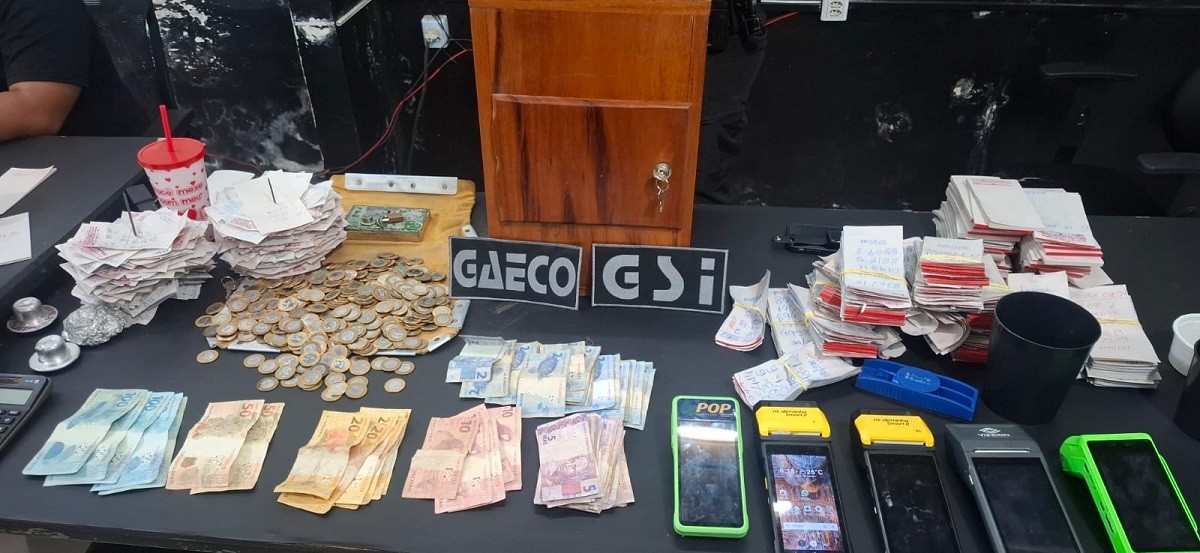
The Pará State Prosecutor's Office (MPPA) launched "Operation End of Game" on Friday, March 3rd, in Abaetetuba and other municipalities in the Baixo Tocantins region. The operation aims to enforce asset seizure and restrictive measures against individuals involved in the illegal "jogo do bicho" (animal game) gambling scheme. Investigations are focused on crimes including criminal association, illegal gambling operations, and money laundering. Authorities allege the investigated group moved over R$ 40 million through their illicit activities, a sum disproportionate to their declared incomes. Judicial orders include the seizure of six properties in Belém and Abaetetuba, along with eight vehicles such as trucks, pickups, and motorcycles. Financial assets of the accused have been frozen up to R$ 43,906,417.22. Additionally, shares in seven companies linked to the suspects are now unavailable, and they are prohibited from establishing new businesses. Four properties used for illegal gambling operations were also shut down in Abaetetuba, Moju, Cametá, and Acará. The scheme allegedly involved concealing money from the "jogo do bicho" through various businesses and legal entities engaged in different economic sectors, including gas stations and service companies, to disguise the origin of the funds. The investigation was led by the Special Action Group to Combat Organized Crime (GAECO), with support from NAI/CI and GSI. The court has accepted the prosecutor's charges, and the case is proceeding under judicial supervision.
This operation highlights the persistent challenge of combating deeply entrenched illegal gambling and money laundering networks within Brazil. The "jogo do bicho," a lottery-style game with a long history, often serves as a front for more sophisticated criminal enterprises. The extensive financial figures and asset seizures indicate the significant scale of these operations and their capacity to infiltrate legitimate economic sectors. Future efforts will likely require enhanced inter-agency cooperation and technological surveillance to disrupt the flow of illicit funds and address the underlying governance issues that allow such schemes to thrive. The long-term effectiveness of these crackdowns depends on sustained legal pressure and the ability to dismantle the organizational structures rather than just targeting individual participants.
AI-generated to prompt reflection — not editorial opinion, not advice, not a statement of fact. How this works.